
Summary: Bitcoin mining is the computational process that validates transactions, secures the blockchain network, and generates new bitcoins. Understanding how mining works—from cryptographic hashing to proof-of-work consensus—is essential for anyone considering participation in this competitive yet potentially profitable industry in 2025.
Understanding Bitcoin Mining: The Foundation of Blockchain Security
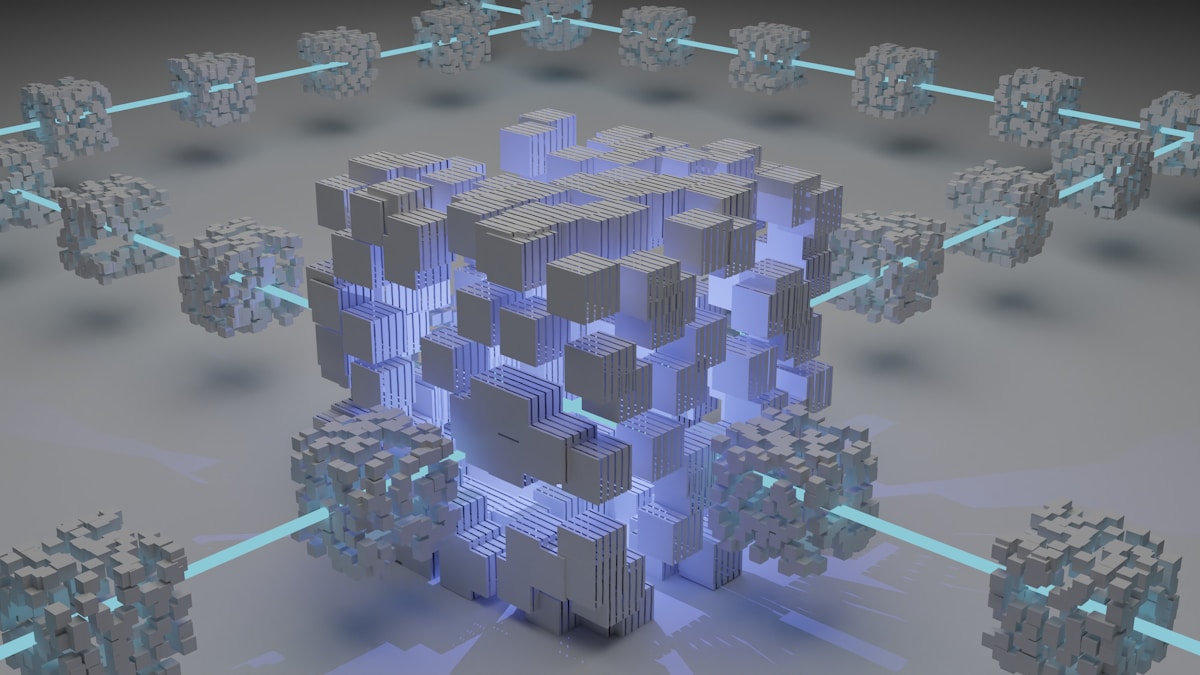
Bitcoin mining serves as the backbone of the world’s first decentralized cryptocurrency. Unlike traditional banking systems that rely on centralized authorities, Bitcoin utilizes a distributed network of miners who compete to validate transactions and add new blocks to the blockchain. This process ensures network security, maintains transaction integrity, and introduces new bitcoins into circulation according to a predetermined schedule.
The mining process involves solving complex mathematical puzzles using specialized hardware. When a miner successfully solves a puzzle, they earn the right to add a new block of transactions to the blockchain and receive a reward in bitcoin. Currently, with Bitcoin trading around $106,000 as of November 2025, mining remains an attractive venture for those with the right equipment and energy resources.
How Bitcoin Mining Works: The Technical Process
Cryptographic Hashing and Target Hash
At the core of Bitcoin mining lies the SHA-256 cryptographic hash function. This algorithm takes transaction data from a block and produces a 64-character hexadecimal output called a hash. The mining challenge requires finding a hash that falls below a specific target value set by the network. Imagine guessing a number between 1 and 100—except with Bitcoin, you’re working with numbers that have 77 digits.
The Mining Competition
Miners worldwide run specialized computers 24/7, attempting trillions of calculations per second. Each attempt modifies a value called the “nonce” (number used once) to generate different hash outputs. The first miner to produce a hash below the target threshold wins the block reward. With the current network hash rate exceeding 1 ZettaHash per second (that’s 1 followed by 21 zeros), competition has reached unprecedented levels.
Proof-of-Work: Securing the Network
The computational work required to find valid hashes is called proof-of-work. This mechanism makes it prohibitively expensive for malicious actors to attack the network, as they would need to control more computing power than all honest miners combined. Once a block is mined, it receives confirmations as subsequent blocks are added, making transactions essentially irreversible after six confirmations.

Bitcoin Mining Hardware: Equipment and Performance
ASIC Miners: The Professional Standard
Application-Specific Integrated Circuit (ASIC) miners have become the industry standard for Bitcoin mining. These purpose-built machines offer superior performance compared to general-purpose computers. In 2025, the most efficient models deliver impressive specifications:
| Mining Machine | Hash Rate | Power Consumption | Efficiency |
|---|---|---|---|
| Bitmain Antminer S21 XP | 270 TH/s | 3,645W | 13.5 J/TH |
| Bitmain Antminer S21 Pro | 234 TH/s | 3,531W | 15.1 J/TH |
| MicroBT Whatsminer M50S | 226 TH/s | 3,276W | 14.5 J/TH |
| Canaan Avalon Q | 90 TH/s | 1,674W | 18.6 J/TH |
Table 1: Leading Bitcoin Mining Machines (November 2025)
Mining Pools vs. Solo Mining
Individual miners typically join mining pools—groups that combine computational resources and split rewards proportionally. Major pools like FoundyUSA, AntPool, and ViaBTC control over 65% of global hash power. Solo mining remains impractical for most participants due to the astronomical odds of finding a block independently.
The Economics of Bitcoin Mining: Costs and Profitability
Operational Costs Breakdown
Running a profitable mining operation in 2025 requires careful financial planning. Three primary costs determine your bottom line:
Electricity: Mining rigs consume substantial power. A single Antminer S21 XP operating continuously uses approximately 87.5 kWh daily. At $0.10 per kWh (residential rates), that’s $8.75 daily or $262 monthly per machine. Large-scale operations negotiate industrial electricity rates as low as $0.05/kWh to maintain competitiveness.
Hardware Investment: Top-tier ASIC miners range from $4,000 to $12,000 per unit. The Bitmain Antminer S21 series and Whatsminer models represent current market leaders, offering optimal hash rate-to-efficiency ratios.
Infrastructure: Beyond the miners themselves, you’ll need cooling systems, network equipment, and physical space. Proper ventilation is critical—ASIC miners generate significant heat that can damage equipment and increase cooling costs.
Current Profitability Analysis
With Bitcoin hovering around $106,000 and block rewards at 3.125 BTC (following the April 2024 halving), mining profitability depends heavily on electricity costs and operational scale. Small-scale miners with residential electricity rates face tight margins, while industrial operations with optimized infrastructure continue to profit.
Mining Difficulty and Network Dynamics
Difficulty Adjustment Mechanism
Bitcoin’s protocol automatically adjusts mining difficulty every 2,016 blocks (approximately two weeks) to maintain a consistent 10-minute block time. As of November 2025, the difficulty stands at 142.34 trillion, reflecting the massive computational power securing the network. This self-regulating system ensures predictable bitcoin issuance regardless of hash rate fluctuations.
The Halving Cycle
Bitcoin’s monetary policy includes halving events every 210,000 blocks (roughly four years), reducing block rewards by 50%. The most recent halving in April 2024 decreased rewards from 6.25 to 3.125 BTC. The next halving, expected in 2028, will further reduce rewards to 1.5625 BTC, making operational efficiency increasingly critical.
Best Mining Machines for 2025: Performance Comparison
Top-Tier Professional Equipment
Selecting the right hardware determines your mining success. Current market leaders balance hash rate, power efficiency, and initial investment:
| Model | Release Date | Best For | ROI Timeline |
|---|---|---|---|
| Bitmain S21 XP | Oct 2024 | Large operations | 12-18 months |
| Bitmain S21 Pro | Sep 2024 | Mid-size farms | 15-20 months |
| Whatsminer M50S | Jun 2024 | Efficiency focus | 14-19 months |
| Antminer L9 | Available | Litecoin/Dogecoin | 10-15 months |
Table 2: Mining Hardware ROI Estimates (Based on $0.08/kWh electricity)
Entry-Level Options
For those testing the waters, models like the Canaan Avalon Q offer lower initial investment with modest hash rates. However, be realistic about profitability—smaller machines struggle to compete with industrial operations in the current market environment.
Environmental Considerations and Sustainability
Energy Consumption Challenges
Bitcoin mining’s energy requirements have drawn significant criticism. The network consumes electricity comparable to some small countries, raising environmental concerns. However, the industry has made strides toward sustainability, with over 60% of North American mining operations now utilizing renewable energy sources.
Geographic Distribution
Following China’s 2021 mining ban, operations relocated globally. The United States now hosts approximately 38% of Bitcoin mining activity, concentrated in states like Texas (utilizing excess renewable energy), Kentucky, New York, and Georgia. This geographic shift has improved transparency and increased renewable energy adoption.
Sustainable Mining Initiatives
Forward-thinking miners increasingly leverage stranded energy sources—excess wind, solar, or hydroelectric power that would otherwise go unused. Some operations partner with energy producers to balance grid loads, providing valuable flexibility services while mining Bitcoin profitably.
Getting Started: Practical Considerations
Location Selection
Choose mining locations based on:
- Electricity costs: Industrial areas with surplus energy offer the best rates
- Climate: Cooler regions reduce cooling expenses
- Regulatory environment: Ensure mining is legal and supported locally
- Internet connectivity: Stable, low-latency connections prevent mining interruptions
Choosing a Mining Pool
Reputable pools offer consistent payouts and transparent fee structures. Popular options include:
- FoundyUSA: 25% network hash rate
- AntPool: 22% network hash rate
- ViaBTC: 18% network hash rate
Research pool fees (typically 1-3%), payout methods, and minimum withdrawal amounts before committing.
Alternative: Mining Stocks
For those seeking Bitcoin mining exposure without operational complexity, publicly traded mining companies offer an alternative. Stocks like MARA Holdings (NASDAQ: MARA), CleanSpark (NASDAQ: CLSK), and Hut 8 (NASDAQ: HUT) provide leveraged exposure to Bitcoin prices while professional teams manage operations.
Market Outlook: November 2025 Perspective
Current Market Conditions
Bitcoin’s price action in late 2025 reflects a volatile yet dynamic market. After briefly dipping below $100,000 in early November, BTC recovered to the $106,000 range. Historical patterns suggest November typically delivers strong performance, though past results don’t guarantee future outcomes.
Institutional Participation
The 2024 approval of Bitcoin ETFs has brought unprecedented institutional capital into the cryptocurrency space. This growing mainstream adoption provides long-term price support, benefiting miners who can maintain profitability through market cycles.
Future Considerations
Mining profitability will continue tightening as hash rate increases and halvings reduce block rewards. Success requires:
- Access to cheap electricity (below $0.08/kWh)
- Latest-generation hardware
- Operational excellence and scale economies
- Risk management for price volatility

Frequently Asked Questions (FAQ)
Q: Is Bitcoin mining still profitable in 2025?
A: Yes, but profitability depends on electricity costs, hardware efficiency, and operational scale. Industrial miners with rates below $0.08/kWh and modern equipment remain profitable, while residential miners face challenging margins.
Q: How long does it take to mine one Bitcoin?
A: The network mines one block (currently 3.125 BTC) approximately every 10 minutes. Individual miners in pools receive proportional rewards based on contributed hash power, making timelines highly variable.
Q: What’s the best Bitcoin mining machine for beginners?
A: For those starting out, consider entry-level ASIC miners like the Canaan Avalon Q or join cloud mining services. However, thoroughly research costs versus expected returns before investing.
Q: Do I need special knowledge to start mining?
A: Basic technical understanding helps, but modern mining operations are increasingly accessible. Joining a mining pool simplifies the process, though understanding ROI calculations and electricity costs is essential.
Q: How do Bitcoin halvings affect mining profitability?
A: Halvings cut block rewards by 50%, directly reducing miner revenue unless Bitcoin’s price increases proportionally. The next halving (2028) will reduce rewards to 1.5625 BTC, making efficiency improvements critical.
Q: Is Bitcoin mining legal?
A: Mining is legal in most countries, including the United States, Canada, and most European nations. However, some jurisdictions restrict or ban the practice—always verify local regulations before beginning operations.
Q: What happens when all 21 million Bitcoins are mined?
A: Expected around 2140, miners will transition to earning exclusively from transaction fees rather than block rewards. The fee market should sustain network security as Bitcoin’s value and transaction volume grow.
Conclusion
Bitcoin mining has evolved from a hobbyist activity into a sophisticated industrial operation requiring significant capital investment, technical expertise, and operational efficiency. While challenges exist—including high energy costs, intense competition, and regulatory uncertainty—the industry continues attracting participants drawn by Bitcoin’s decentralized nature and long-term value proposition.
For prospective miners in 2025, success requires realistic expectations, thorough financial planning, and commitment to ongoing optimization. Whether joining as an individual participant, investing through mining stocks, or simply understanding how this crucial blockchain component functions, Bitcoin mining remains a fascinating intersection of technology, economics, and innovation.
Ready to explore mining equipment? Visit Miners1688.com for competitive pricing on leading ASIC miners from manufacturers like Bitmain, Whatsminer, and Canaan, backed by professional support and global shipping.