
Summary: Understanding the complete supply chain timeline for ASIC mining equipment is crucial for profitability in Bitcoin mining. From placing your order to powering up your machines, this comprehensive guide navigates the complex journey of procurement, delivery logistics, customs clearance, and operational deployment. With lead times ranging from 2-6 months and Bitcoin’s price currently hovering around $101,750 USD (November 2025), timing your hardware purchases strategically can significantly impact your mining ROI and competitive positioning in an increasingly challenging network environment.
Understanding ASIC Supply Chain Fundamentals
The Bitcoin mining hardware supply chain operates differently from conventional electronics procurement. Unlike purchasing consumer products with immediate availability, ASIC miners follow a complex manufacturing and distribution cycle heavily influenced by chip production capacity, global demand fluctuations, and cryptocurrency market conditions.
Manufacturing Cycle Reality
Major manufacturers like Bitmain, MicroBT, and Canaan operate on production batches rather than continuous inventory. When Bitcoin prices surge, demand for mining equipment skyrockets, extending lead times significantly. Current market data indicates that ordering directly from manufacturers in 2025 typically requires 2-6 month lead times depending on the model and batch availability.
Supply Chain Bottlenecks
The primary constraint remains semiconductor chip production. Advanced mining ASICs require cutting-edge chip fabrication at 5nm and 7nm process nodes, competing with other industries for limited foundry capacity. Additionally, geopolitical factors affecting Asian manufacturing hubs and international shipping routes add complexity to delivery timelines.

Pre-Order vs. Spot Market Purchasing
Buyers face a critical decision between pre-ordering upcoming models or purchasing from spot inventory. Each approach presents distinct advantages and trade-offs that directly impact your mining operation’s profitability timeline.
Pre-Order Strategy
Pre-ordering allows you to secure next-generation hardware at manufacturer pricing, often 15-25% below secondary market rates. However, you’re committing capital months in advance with Bitcoin price volatility risk. For example, the Bitmain Antminer S21 Pro (234 TH/s, 15 J/TH) required 4-5 month lead times when initially released in March 2024.
Spot Market Advantages
The secondary market offers immediate or near-immediate delivery, typically 2-3 weeks. While prices run 10-20% higher, you eliminate waiting period revenue loss. For a 270 TH/s ASIC, each 14-day delay costs approximately $200-300 in missed mining revenue at current difficulty levels. When Bitcoin is in an uptrend, spot market purchases often prove more profitable despite premium pricing.
Hybrid Procurement Approach
Successful mining operations typically balance both channels—pre-ordering for strategic expansion while maintaining spot market purchases for opportunistic scaling. This hedges against both price fluctuations and delivery uncertainties.

The Complete Timeline Breakdown
| Phase | Duration | Key Activities | Critical Success Factors |
|---|---|---|---|
| Order Placement | 1-3 days | Contract negotiation, deposit payment, specifications confirmation | Verify manufacturer authenticity, secure payment terms, confirm batch allocation |
| Manufacturing | 30-120 days | Chip procurement, assembly, quality testing, firmware installation | Monitor production updates, maintain communication with supplier |
| Quality Assurance | 3-7 days | Hashrate testing, power consumption validation, thermal performance checks | Request test reports, verify specifications match order |
| Export Processing | 5-10 days | Export documentation, customs declaration, shipping arrangement | Ensure proper HS codes, commercial invoices, and certificates of origin |
| International Shipping | 7-21 days | Sea freight (14-45 days) or air freight (3-7 days), cargo insurance | Choose shipping method based on urgency and budget constraints |
| Customs Clearance | 3-14 days | Import duties calculation, compliance verification, release authorization | Prepare accurate documentation, understand local import regulations |
| Final Mile Delivery | 2-7 days | Domestic transportation, facility delivery, unloading | Coordinate with hosting facility, ensure receiving capabilities |
| Installation & Configuration | 1-3 days | Physical setup, network configuration, pool connection, monitoring setup | Pre-plan infrastructure, test power capacity, configure remote management |
Regional Shipping Variations
Geographic location dramatically affects delivery timelines and costs. Understanding regional logistics patterns helps optimize your procurement strategy and set realistic operational expectations.
North American Deliveries
U.S. and Canadian buyers typically experience 21-35 day delivery timelines from Asian manufacturers. West Coast facilities receive shipments 5-7 days faster than East Coast locations due to Pacific shipping routes. Customs processing at ports like Los Angeles and Vancouver averages 5-10 days but can extend during peak periods.
European Union Markets
European deliveries require 25-40 days with additional VAT and compliance requirements. The EU’s strict electrical safety standards (CE marking) may require supplementary documentation. Germany, Netherlands, and Nordic countries offer more efficient customs processing compared to Southern European ports.
Middle East & Asia-Pacific
Middle Eastern buyers benefit from relatively shorter shipping routes (10-21 days) but face variable customs regulations by country. Asia-Pacific customers outside manufacturing hubs like China enjoy the shortest timelines (7-14 days) with established logistics networks.

Cost Implications Across the Timeline
| Cost Component | % of Total Cost | Timing | Optimization Strategies |
|---|---|---|---|
| Hardware Purchase Price | 75-85% | Order placement | Negotiate bulk discounts, time purchases with market cycles |
| International Shipping | 3-8% | After manufacturing | Consolidate shipments, choose optimal shipping method |
| Import Duties & Taxes | 0-15% | Customs clearance | Utilize trade agreements, explore duty-free zones |
| Insurance | 0.5-2% | During transit | Compare carrier insurance vs. third-party policies |
| Customs Brokerage | 0.5-1.5% | Import processing | Establish relationships with experienced brokers |
| Domestic Transport | 0.5-2% | Final delivery | Partner with specialized equipment haulers |
| Installation Services | 1-3% | Deployment | DIY for small scale, professional for large deployments |
Risk Management & Mitigation Strategies
Every stage of the supply chain presents potential disruptions. Experienced miners build contingency plans and risk mitigation into their procurement processes to protect capital and maintain operational continuity.
Payment Protection
Never pay 100% upfront unless dealing with established manufacturers. Standard terms include 30% deposit with 70% balance due before shipping. Use escrow services for secondary market purchases, and verify seller credentials through industry networks like mining pools and industry associations.
Documentation Verification
Request and verify manufacturing test reports showing actual hashrate performance, power consumption, and thermal data. Reputable suppliers provide batch-specific testing documentation with serial numbers matching your units.
Shipping Insurance & Tracking
Comprehensive cargo insurance covering full replacement value is essential. Real-time GPS tracking for high-value shipments provides peace of mind and enables rapid response to routing issues.
Contingency Infrastructure Planning
Prepare hosting infrastructure in advance of delivery. Unexpected delays are common, but being ready for early arrivals maximizes revenue capture. This includes electrical capacity verification, cooling systems testing, and network configuration.

Market Timing & Strategic Purchasing
Bitcoin’s price volatility and mining difficulty adjustments create strategic windows for hardware procurement. Understanding these cycles allows miners to optimize purchase timing for maximum profitability.
Bitcoin Price Cycles
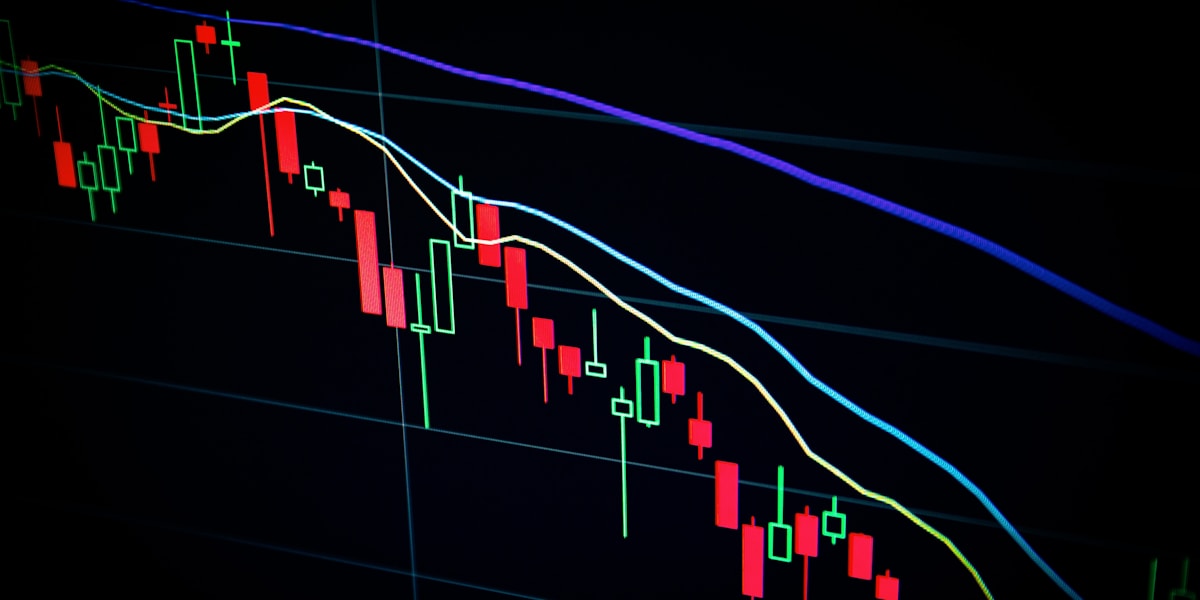
When Bitcoin rallies, ASIC prices surge as demand intensifies. The inverse occurs during bear markets when hardware becomes more affordable. Currently, Bitcoin trades around $101,750 USD (November 2025), representing a dynamic market with ongoing price fluctuations. Savvy miners accumulate hardware during market corrections when equipment trades at significant discounts.
Difficulty Adjustment Considerations
Bitcoin’s mining difficulty adjusts every 2,016 blocks (approximately 14 days). As difficulty increases, older generation miners become marginally profitable or even unprofitable. Timing hardware upgrades to deploy before significant difficulty increases protects profitability margins.
New Model Release Patterns
Manufacturers typically release new generations annually. Anticipating these releases helps buyers decide between purchasing current-generation equipment at discounts or pre-ordering next-generation models. The Bitmain S21 series and MicroBT M60S represent current-generation leaders in 2025.
Working with Reliable Suppliers
Supplier selection represents perhaps the most critical decision in the procurement process. The difference between reputable vendors and fraudulent operators can mean the difference between profitable mining operations and complete capital loss.
Manufacturer Direct Channels
Purchasing directly from Bitmain, MicroBT, Canaan, or other established manufacturers guarantees authenticity and warranty coverage. However, minimum order quantities often require 50-100+ units, limiting accessibility for smaller operations. Bulk orders also lock you into single models without diversification flexibility.
Authorized Distributors
Established distributors like Miners1688.com provide alternatives for smaller buyers. They maintain relationships with manufacturers, offer smaller order quantities, and often stock multiple brands and models. Quality distributors provide technical support, warranty facilitation, and sometimes faster delivery through pre-positioned inventory.
Verification Checklist
Before committing to any supplier, verify business registration, request customer references, check industry forum reputation, and start with smaller test orders. Legitimate suppliers welcome due diligence and transparency. Red flags include pressure for immediate payment, prices significantly below market rates, and reluctance to provide verifiable business credentials.

Post-Delivery Deployment Best Practices
Receiving your hardware is just the beginning. Efficient deployment maximizes revenue capture and ensures operational stability from day one.
Receiving Inspection Protocol
Immediately inspect shipments for physical damage, verify serial numbers against purchase orders, and conduct power-on tests within 24-48 hours. Document any issues with photos and videos before acceptance. Most suppliers provide 7-14 day DOA (Dead on Arrival) warranties requiring prompt testing.
Configuration Optimization
Default factory settings rarely deliver optimal performance. Configure pool connections with backup pools, adjust fan curves for your cooling environment, consider custom firmware like LuxOS for supported models, and implement comprehensive monitoring with alerts for downtime or performance degradation.
Maintenance Scheduling
Establish preventive maintenance routines including monthly dust cleaning, quarterly thermal paste replacement for high-performance units, and semi-annual complete system checks. Proactive maintenance extends hardware lifespan and maintains optimal hashrate performance.

Frequently Asked Questions
Q: How long does it take to receive an ASIC miner after ordering in 2025?
A: Delivery timelines range from 2 weeks to 6 months depending on your purchasing approach. Spot market purchases from distributors with existing inventory ship within 2-3 weeks, while manufacturer pre-orders for new models require 2-6 months. Factor in manufacturing time (30-120 days), shipping (7-21 days), and customs clearance (3-14 days) for comprehensive planning.
Q: Should I pay full price upfront for ASIC miners?
A: Never pay 100% upfront unless purchasing from verified manufacturers through official channels. Standard industry practice involves 30% deposit with 70% balance before shipping. For secondary market purchases, use escrow services to protect your capital until you verify equipment condition and authenticity.
Q: How do Bitcoin price changes affect delivery timelines?
A: Bitcoin price surges trigger massive demand spikes for mining hardware, extending manufacturer lead times from 2-3 months to 5-6 months or more. Conversely, during market downturns, excess inventory creates shorter delivery windows and discounted pricing. Monitor Bitcoin trends to optimize purchase timing.
Q: What’s the difference between air freight and sea freight for ASIC deliveries?
A: Air freight delivers in 3-7 days but costs 3-5x more than sea freight, which requires 14-45 days. For high-value orders during Bitcoin bull markets, air freight’s speed often justifies the premium through earlier revenue generation. During stable periods, sea freight optimizes cost efficiency.
Q: Can I track my ASIC shipment in real-time?
A: Reputable suppliers provide tracking numbers for international shipments through carriers like DHL, FedEx, and UPS. For high-value orders, request GPS tracking services. Maintain regular communication with your supplier and freight forwarder throughout the shipping process.
Q: What happens if my ASIC arrives damaged?
A: Immediately document damage with photos/videos before signing delivery acceptance. Contact your supplier within 24 hours with documentation. Quality suppliers provide DOA warranties (7-14 days) and work with shipping insurance to resolve claims. This underscores the importance of comprehensive cargo insurance.
Q: Should I order multiple units at once or scale gradually?
A: Balanced approaches work best. Order 2-3 units initially to verify supplier reliability and test your infrastructure capacity. Once comfortable, place larger orders to capture volume discounts while maintaining some purchases in spot market for flexibility. Avoid committing all capital to single orders or suppliers.
Q: How do import duties affect my total costs?
A: Import duties vary significantly by country, ranging from 0% (some free trade zones) to 15%+ (many developing markets). Research your country’s HS codes for mining equipment, explore duty-free zone options, and factor these costs into ROI calculations before ordering.
This article provides educational information about Bitcoin mining supply chains. Cryptocurrency mining involves significant financial risk. Bitcoin currently trades around $101,750 USD (November 2025) in volatile market conditions. Always conduct thorough research and consult with financial advisors before making hardware investments.
For reliable ASIC procurement with competitive pricing and professional support, visit Miners1688.com – one of China’s top three ASIC miner suppliers with 7 years of industry experience.