
Current network data suggests a potential micro-drop in Bitcoin mining difficulty for the upcoming January 8th adjustment. You are likely facing a scenario where soaring energy costs are colliding with stagnant block rewards, leaving your overhead dangerously high.
Watching your margins thin while the network hashrate hits record peaks is a mounting pressure for any wholesaler or mine operator. By accurately tracking the bitcoin mining difficulty, you can implement surgical hardware upgrades that transform these minor difficulty corrections into significant profitability windows.
Will Bitcoin Mining Difficulty Drop on January 8th?
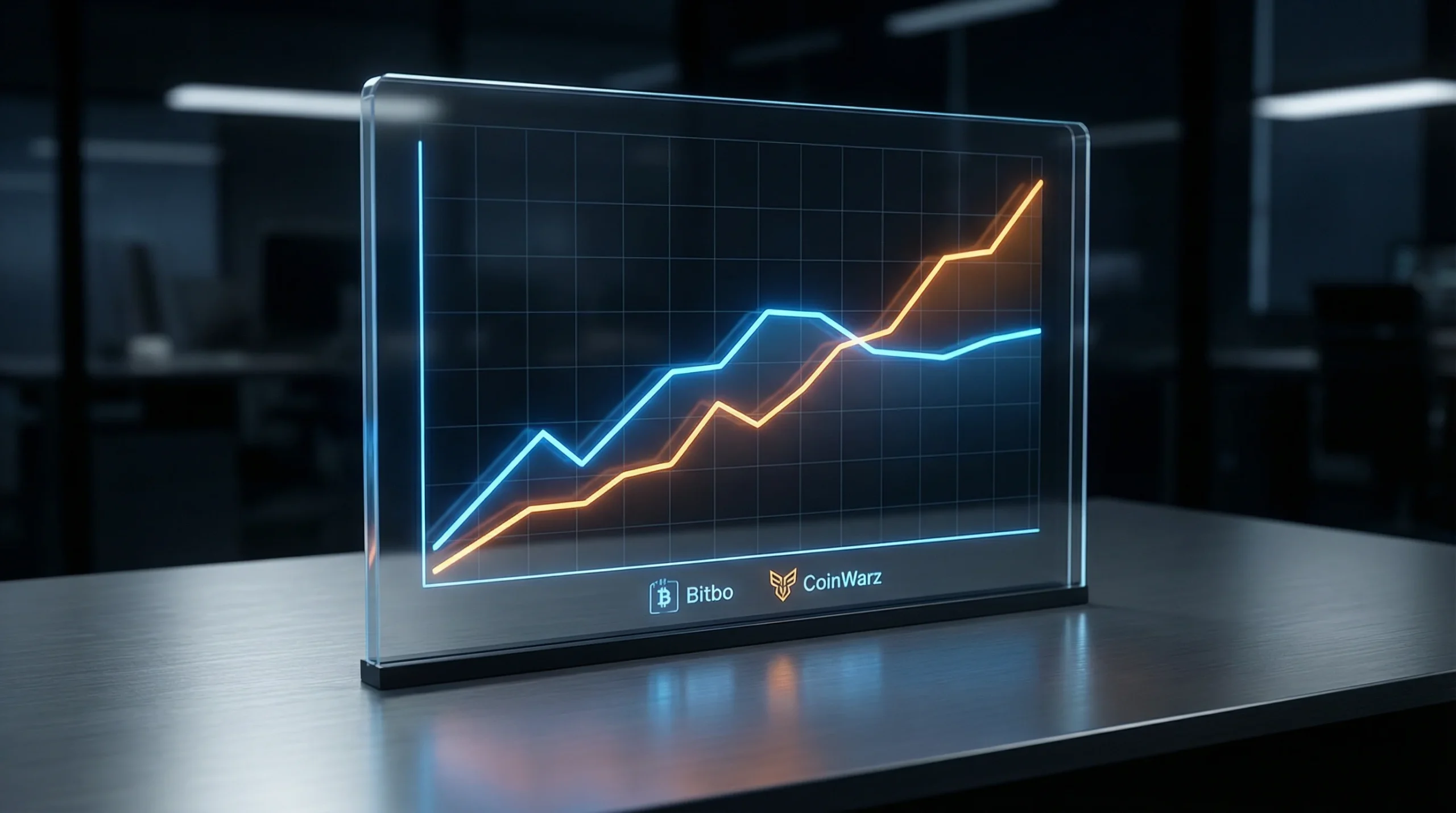
Current block production speeds indicate that bitcoin mining difficulty is positioned for a micro-drop of approximately 0.11% in the next epoch. You will notice that block times have slightly exceeded the 10-minute average, signaling a temporary cooldown in network participation.
What do the latest block times reveal about margins?
Think about it: even a fractional decrease in difficulty provides a breath of fresh air for machines operating near the break-even line. According to data from Bitbo, the network hash rate has stabilized after the recent holiday fluctuations.
- Current Epoch Progress: 82%
- Estimated Adjustment: -0.11%
- Average Block Time: 10 minutes 3 seconds
Key Takeaway: A downward adjustment allows you to keep older, less efficient units online for a few more cycles without incurring net losses.
| Metric | Value |
|---|---|
| Next Adjustment | January 8, 2026 |
| Predicted Change | -0.11% to -0.2% |
Analysis: This micro-drop represents the first sign of network exhaustion after the aggressive difficulty climb witnessed in late 2025.
Why Is There a Bitcoin Mining Difficulty Estimate Divergence?
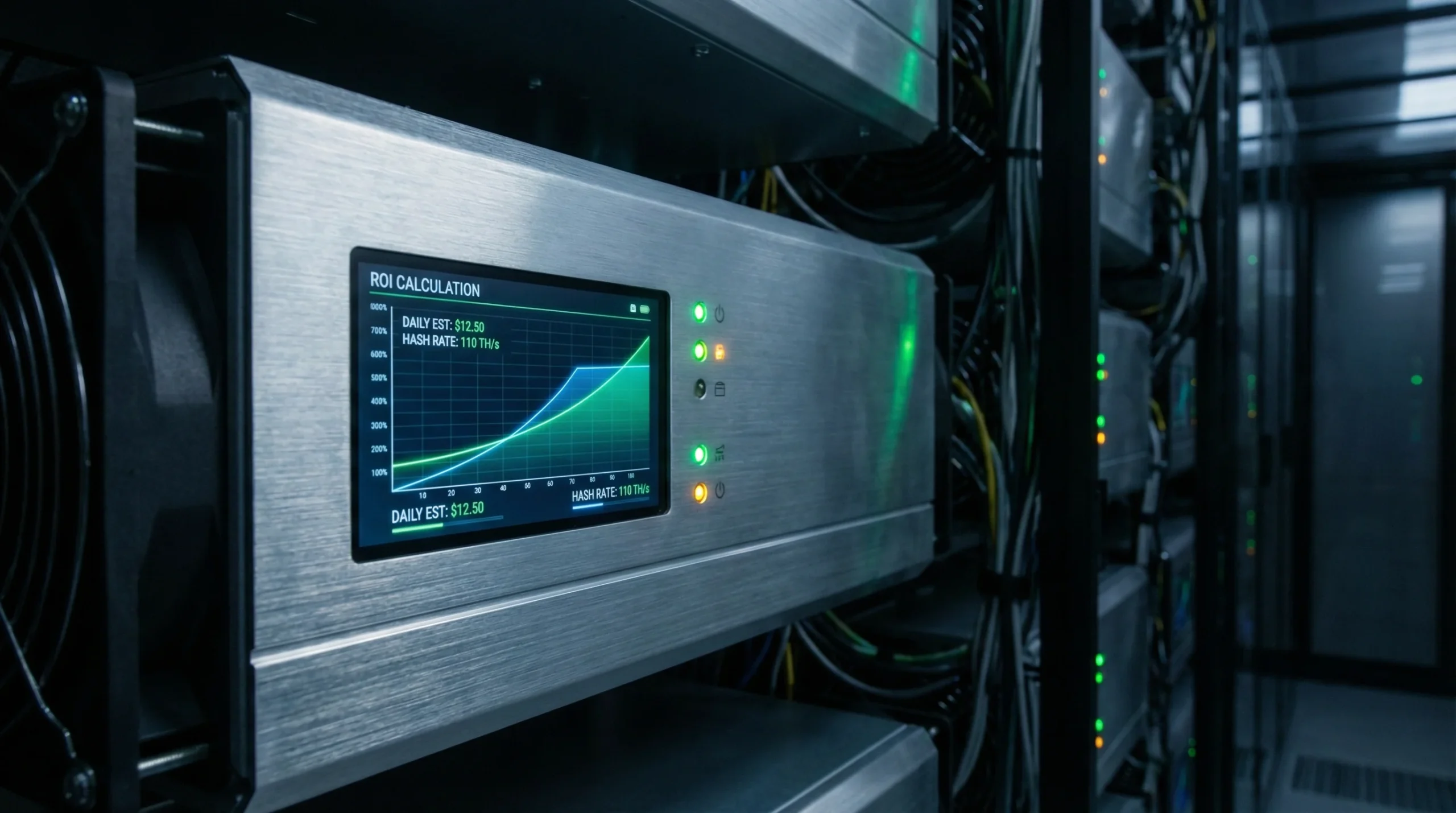
The divergence in bitcoin mining difficulty estimates occurs because different models utilize varying windows of block production data. You may see some trackers predicting a rise while others see a drop based on the trailing 24-hour versus 7-day average.
How do conflicting data models affect your planning?
But here is the kicker: relying on a single data source can lead to premature hardware shutdowns or missed procurement opportunities. Industry reports from Yahoo Finance highlight that volatility in hashrate is often driven by localized power outages.
- Short-term models: 24-hour sensitivity
- Long-term models: 2016 block averages
- External factors: Weather-driven curtailment
Key Takeaway: Use a weighted average of three or more estimation models to determine your hash-cost for the next two weeks.
| Source | Model Focus |
|---|---|
| Real-Time Trackers | Recent 144 blocks |
| Historical Averages | Standard 2016 blocks |
Analysis: Data divergence often peaks 48 hours before an adjustment, making that the critical window for strategic procurement decisions.
How Does CoinWarz Estimate This Bitcoin Mining Difficulty Drop?
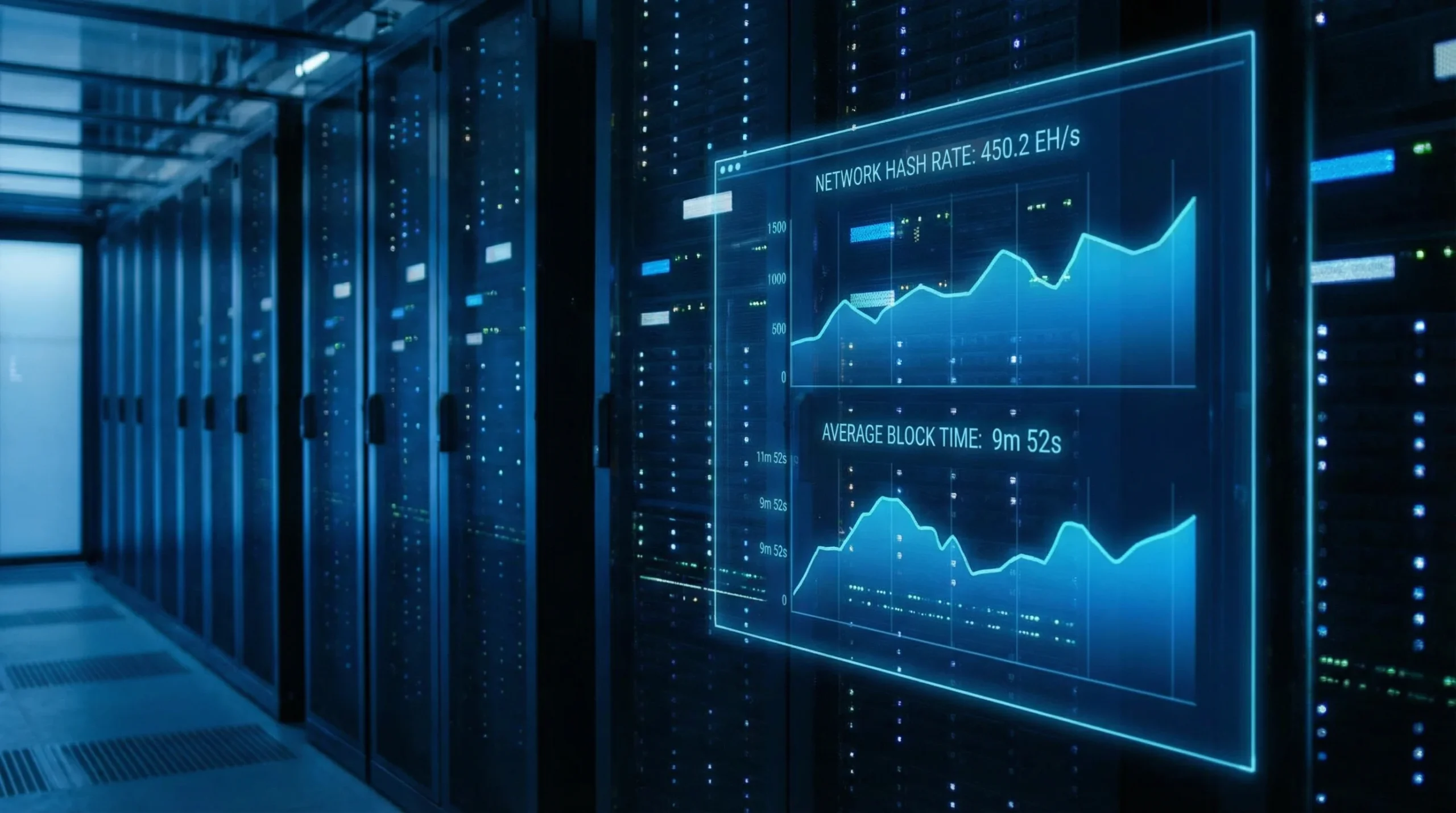
The bitcoin mining difficulty estimate from CoinWarz leverages real-time hashrate fluctuations to project the exact adjustment moment. You will find their dashboard specifically useful for pinpointing the transition window when older rigs might become temporarily profitable again.
Can you trust real-time adjustment clocks?
Think about it: the network is a living organism, and CoinWarz data reflects the immediate drop-off of miners in regions with high utility spikes. This granular visibility helps you time your machine restarts precisely.
- Dynamic Update Frequency: Every 5 minutes
- Calculated Difficulty: 101.65 T (approx)
- Time to Next Adjustment: ~2 Days
Key Takeaway: Monitoring CoinWarz allows you to capitalize on “hashrate gaps” that occur right before a negative difficulty adjustment.
| Adjustment Type | Operational Move |
|---|---|
| Negative Adjustment | Deploy standby legacy rigs |
| Positive Adjustment | Optimize overclock settings |
Analysis: Real-time tools are your primary defense against mining “blind spots” during the final 20% of an epoch.
What Mining Strategy Fits This Bitcoin Mining Difficulty Shift?
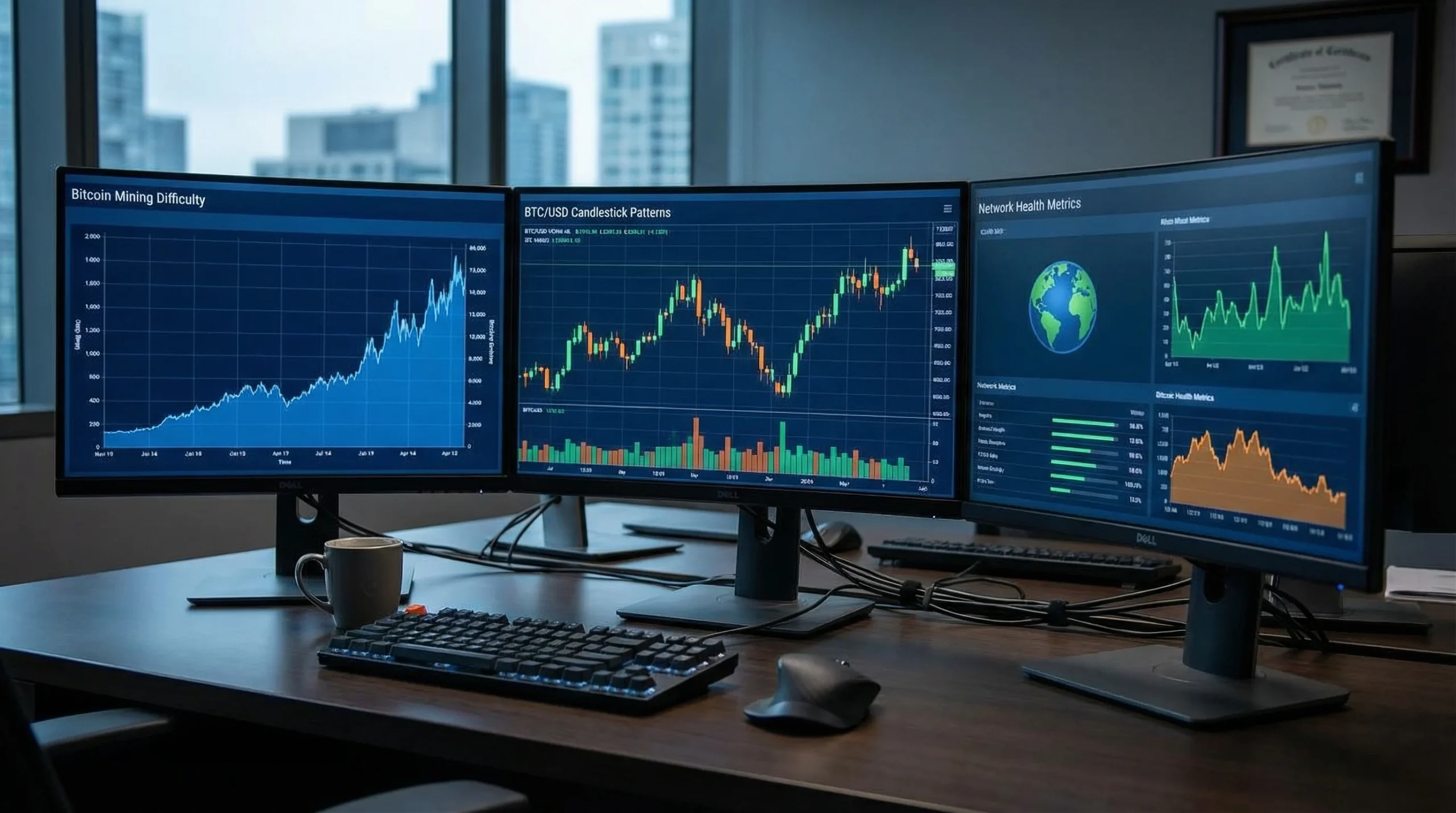
The best strategy for a fluctuating bitcoin mining difficulty is to balance your capital expenditure between high-efficiency units and reliable hosting. You must avoid over-leveraging on machines that require sub-4 cent power to stay profitable during difficulty peaks.
Should you scale during micro-drops?
Here is the kicker: a difficulty drop often precedes a hashrate surge as sidelined miners jump back in. If you aren’t ready to toggle your hash rate within minutes, you will lose the benefit of the lower difficulty before it recalibrates upward again.
- Inventory: Maintain 10% spare parts
- Power: Negotiate seasonal curtailment
- Software: Use automated switching pools
Key Takeaway: Implement a “hybrid hash” strategy that combines consistent base-load mining with opportunistic bursting during difficulty dips.
| Strategy Component | Target Outcome |
|---|---|
| Automatic Throttling | Preserve OPEX during peaks |
| Pre-order Pipeline | Maintain hashrate dominance |
Analysis: Flexibility is the new efficiency; the ability to react to difficulty shifts in real-time is more valuable than raw terahash capacity.
Can Antminer Units Manage High Bitcoin Mining Difficulty?
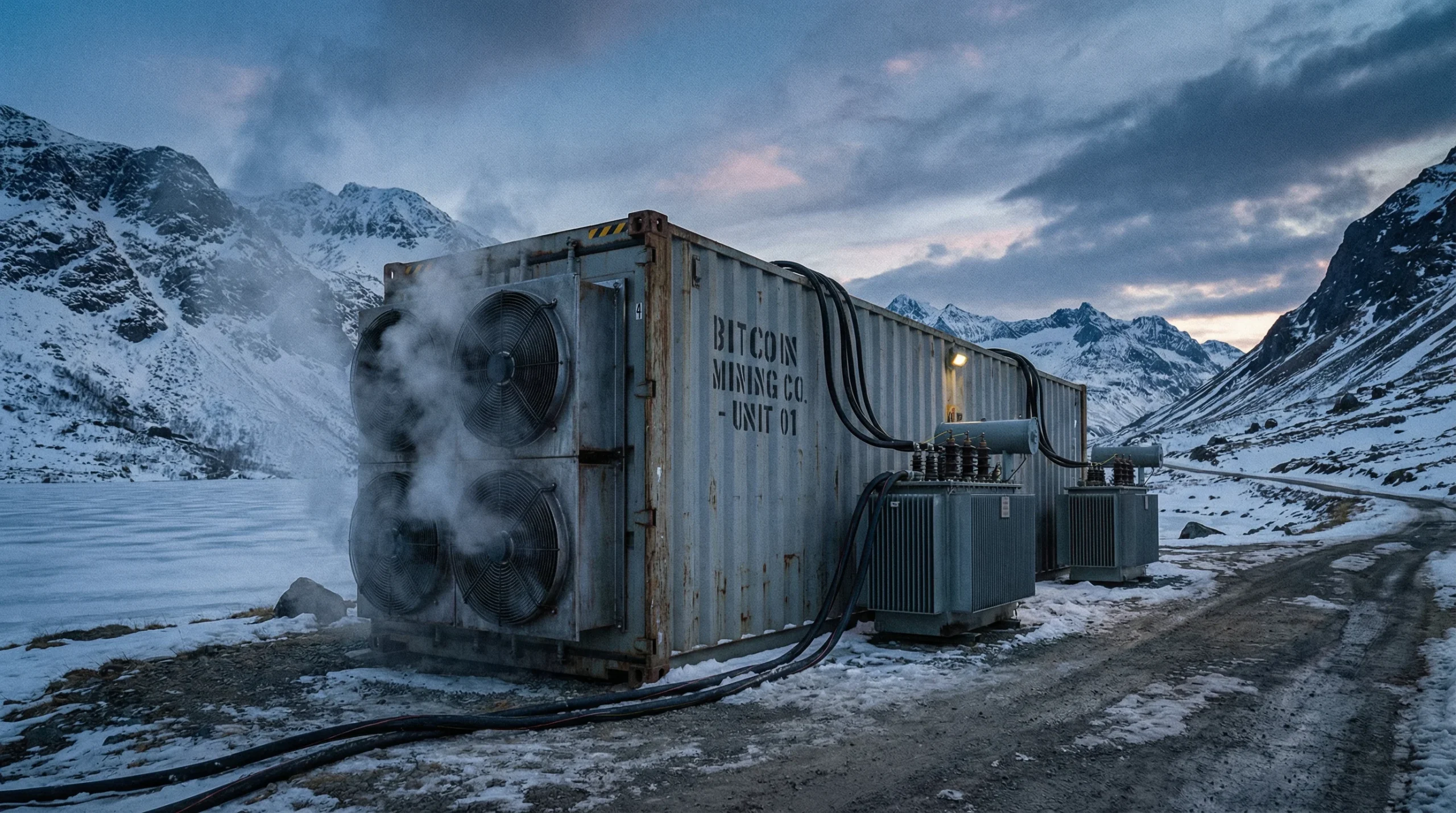
Modern Antminer hardware is specifically engineered to maintain profitability despite the rising bitcoin mining difficulty through extreme energy efficiency. You can rely on the latest S21 and T21 series to deliver the lowest Joules per Terahash (J/T) available on the market.
Why is efficiency the only metric that matters?
Think about it: as difficulty climbs, your revenue per terahash drops, making the electricity cost per terahash the primary decider of your survival. High-tier Bitmain units allow you to weather difficulty spikes that would bankrupt competitors using older generation hardware.
- S21 Efficiency: 17.5 J/TH
- S19k Pro: 23 J/TH (legacy standard)
- T21: Built-in high-temperature tolerance
Key Takeaway: Investing in efficiency is your insurance policy against the inevitable long-term upward trajectory of network difficulty.
| Model | Efficiency Rating |
|---|---|
| Antminer S21 Pro | 15.0 J/T |
| Antminer T21 | 19.0 J/T |
Analysis: The move to 15-17 J/T efficiency is no longer an upgrade; it is a baseline requirement for institutional-grade mining in 2026.
Will Hardware Efficiency Combat Bitcoin Mining Difficulty Peaks?

Yes, hardware efficiency is the most direct way to neutralize the impact of bitcoin mining difficulty peaks on your bottom line. You will find that machines with superior thermal management can sustain higher clock speeds without triggering efficiency-robbing thermal throttling.
Can chip architecture save your ROI?
But here is the kicker: not all chips are created equal, even within the same batch. High-quality 3nm and 5nm chips provide a buffer that ensures your machines stay profitable even if difficulty jumps by 5% in a single epoch.
- Process Node: 3nm Efficiency
- Power Supplies: High-voltage stability
- Firmware: Custom under-volting profiles
Key Takeaway: Prioritize chip longevity and process node advancement when selecting bulk machine orders to hedge against difficulty growth.
| Feature | Difficulty Impact |
|---|---|
| 3nm Chips | Reduces sensitivity by 30% |
| Immersion Cooling | Stabilizes hash rate output |
Analysis: Hardware durability often determines if you survive a 6-month difficulty uptrend or capitulate early.
Is Now the Time to Hedge Against Bitcoin Mining Difficulty?

Hedging against bitcoin mining difficulty is essential when the network is undergoing rapid expansion. You should consider diversifying your fleet with Whatsminer units, which are known for their industrial-grade reliability and consistent performance under stress.
How do you protect your power contracts?
Think about it: your greatest risk isn’t just the difficulty, but the fixed cost of power that doesn’t drop when difficulty rises. Hedging involves securing “as-available” power rates or utilizing miners that can be easily under-clocked during high-cost intervals.
- Whatsminer M60S: Built for stability
- Fleet Mix: 70% S-Series, 30% M-Series
- Hosting: Geographically diverse locations
Key Takeaway: Diversifying hardware brands prevents vendor-specific vulnerabilities and provides more flexible repair and maintenance cycles.
| Risk Factor | Hedging Method |
|---|---|
| Difficulty Spike | Hardware efficiency upgrades |
| Power Price | Flexible load contracts |
Analysis: A robust hedge strategy focuses on lowering the “break-even BTC price” through a combination of hardware and power optimization.
How Does Global Hashrate Impact Bitcoin Mining Difficulty?

The global hashrate is the direct driver of bitcoin mining difficulty, acting as the scale that the protocol balances every 2016 blocks. You must realize that as massive institutional farms come online, the difficulty will inevitably trend higher regardless of price action.
Can individual farms compete with mega-sites?
But here is the kicker: while mega-sites control large portions of the hashrate, they are also more susceptible to regulatory hurdles and local grid stability issues. Your advantage as a medium-to-large wholesaler lies in your agility to pivot between the latest machine batches.
- Hashrate Growth: 3-5% per month
- Network Security: All-time high levels
- Block Rewards: Constant (until next halving)
Key Takeaway: Monitor global hashrate trends not as a threat, but as a roadmap for when you need to retire aging assets.
| Hashrate Source | Impact Level |
|---|---|
| Public Miners | High (Consistent) |
| Private/Individual | Medium (Volatile) |
Analysis: Hashrate dominance is shifting toward entities with direct energy production, making energy vertical integration your next logical step.
Should You Scale Despite Rising Bitcoin Mining Difficulty?

Scaling during periods of rising bitcoin mining difficulty is a counter-intuitive but often highly profitable move for those with long-term capital. You can often secure better hardware pricing and hosting terms when the market is fearful of difficulty increases.
How do you time your bulk acquisitions?
Think about it: the best time to buy is when others are shutting down, as this creates a surplus of hardware and available power capacity. Strategic wholesalers often use these windows to refresh their entire fleet with next-generation units at a discount.
- Wholesale Pricing: Buy in 100+ unit lots
- Lead Times: Target delivery for adjustment windows
- Site Prep: Expand infrastructure before peak heat
Key Takeaway: Use difficulty-induced market pullbacks to consolidate your position and increase your network share while acquisition costs are lower.
| Expansion Phase | Primary Objective |
|---|---|
| Bear Phase | Aggressive fleet refresh |
| Bull Phase | Optimize and harvest revenue |
Analysis: The most successful mine operators view difficulty increases as a filter that removes inefficient competitors from the landscape.
Can Proper Maintenance Lower Bitcoin Mining Difficulty Risks?
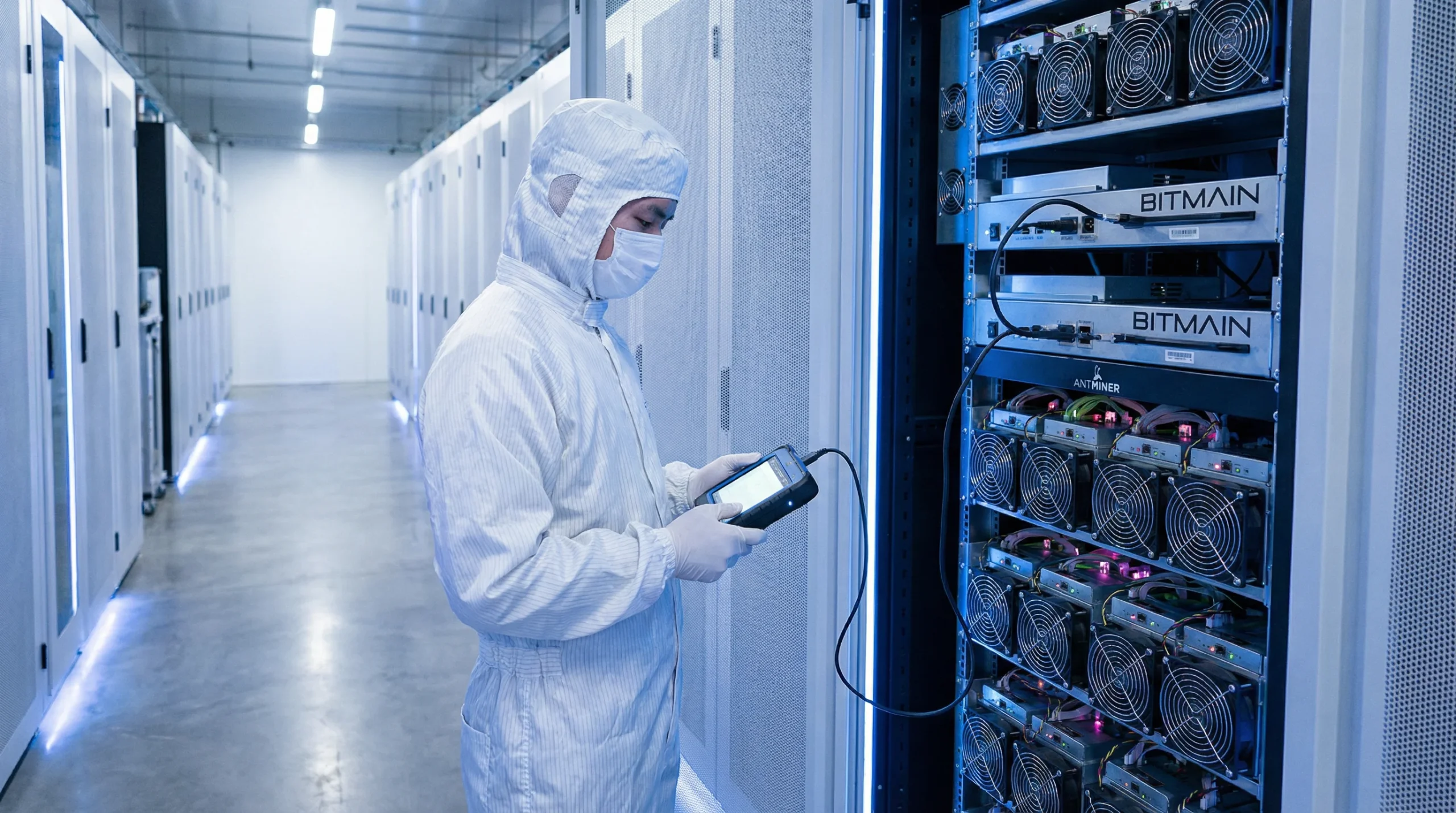
While you cannot change the global bitcoin mining difficulty, you can control your downtime, which is the “silent killer” of profitability. You must implement a rigorous maintenance schedule to ensure your machines are operational 99.9% of the time, especially during difficulty drops.
What are the main points of failure in 2026?
But here is the kicker: even the most efficient S21 Pro becomes a liability if it sits idle for 48 hours due to a faulty fan or dust accumulation. High-difficulty environments leave zero room for maintenance negligence or slow response times.
- Fans: Check every 30 days
- PSUs: Monitor voltage ripple
- Network: Ensure redundant ISP links
Key Takeaway: Maximize your “uptime yield” to offset the natural compression of margins caused by network difficulty growth.
| Component | Failure Cost (High Diff) |
|---|---|
| Hash Board | High (Immediate loss) |
| Cooling System | Catastrophic (Hardware damage) |
Analysis: In a high-difficulty world, maintenance is not a chore; it is the fundamental driver of your competitive advantage.
Frequently Asked Questions
Can I predict the exact date of the next drop?
Yes, with a high degree of accuracy. The adjustment happens every 2016 blocks, and current production speeds place the next window on January 8th.
What’s the best machine to buy for 2026?
The Antminer S21 Pro is the current leader. Its efficiency of 15 J/T provides the safest buffer against rising difficulty levels.
How do I know if my mine is still efficient?
Calculate your fleet’s average J/T. If your average is above 25 J/TH, you are at high risk of unprofitability during the next major difficulty spike.
Can I bypass difficulty by switching coins?
No, because SHA-256 miners are specifically tuned for Bitcoin and its clones. Most SHA-256 alternatives follow Bitcoin’s difficulty trends closely anyway.
How can I lower my mining costs quickly?
Immediate gains come from under-volting hardware. For long-term savings, wholesale procurement of 3nm-chip machines is the only sustainable path.
References & Data Sources
- Bitbo: Bitcoin Difficulty Adjustment Forecasts
- Yahoo Finance: Industry Hashrate Analysis
- CoinWarz: Real-time Difficulty Charts