
Summary: Setting up your mining operation requires more than just hardware. This comprehensive guide walks you through essential mining software, monitoring tools, and alert systems that maximize uptime and profitability. Learn which management platforms suit different operation scales, from solo miners to large-scale farms, plus proven strategies to keep your rigs running at peak performance in 2025’s dynamic market conditions.
Understanding the Mining Software Ecosystem
The mining software landscape has evolved dramatically. Modern miners operate in a complex environment where selecting the right software stack determines profitability margins. Unlike the early days when simple command-line tools sufficed, today’s operations demand integrated solutions combining mining engines, monitoring dashboards, and automated alert systems.
The software stack typically consists of three layers: the mining engine (connecting hardware to blockchain networks), management software (controlling multiple rigs), and monitoring tools (tracking performance metrics). Each layer serves distinct purposes, yet they must work cohesively to maintain operational efficiency.

Current market volatility makes real-time monitoring essential. Bitcoin prices fluctuate between ranges, directly impacting daily profitability. Responsive software enables quick adjustments to mining strategies, whether switching pools during network congestion or throttling power consumption during peak electricity rates.
Core Mining Software: Foundation of Your Operation
CGMiner: The Industry Veteran
CGMiner remains the backbone for ASIC operations since its 2011 launch. This open-source software supports SHA-256 algorithm mining across multiple hardware manufacturers. Its command-line interface might intimidate newcomers, yet seasoned miners appreciate its granular control over hashrate allocation, fan speeds, and voltage settings.
The software’s lightweight design consumes minimal system resources, making it ideal for dedicated mining rigs. CGMiner’s multi-pool support automatically switches to backup pools if primary connections fail, ensuring continuous operation. Version 3.7.2 offers stable ASIC compatibility, though GPU support was discontinued to focus on FPGA and ASIC mining.
BFGMiner: Modular Powerhouse
BFGMiner, forked from CGMiner in 2012, emphasizes modular architecture and dynamic clocking capabilities. This software excels at managing mixed hardware environments—simultaneously controlling different ASIC models with customized settings per device. Its dynamic frequency scaling adjusts power consumption based on thermal conditions, extending hardware lifespan.
The software supports remote interface capabilities, allowing miners to adjust configurations without physical access to rigs. BFGMiner’s RPC interface integrates with monitoring platforms, creating comprehensive management systems. For Bitmain Antminer S21+ operations, this flexibility proves invaluable when optimizing multiple units simultaneously.
EasyMiner: Gateway for Newcomers
EasyMiner bridges the gap between technical complexity and user accessibility. Its graphical interface simplifies configuration processes, displaying hashrate, temperature, and earnings in intuitive dashboards. The software autodetects connected hardware and recommends optimal settings, reducing setup time for beginners.
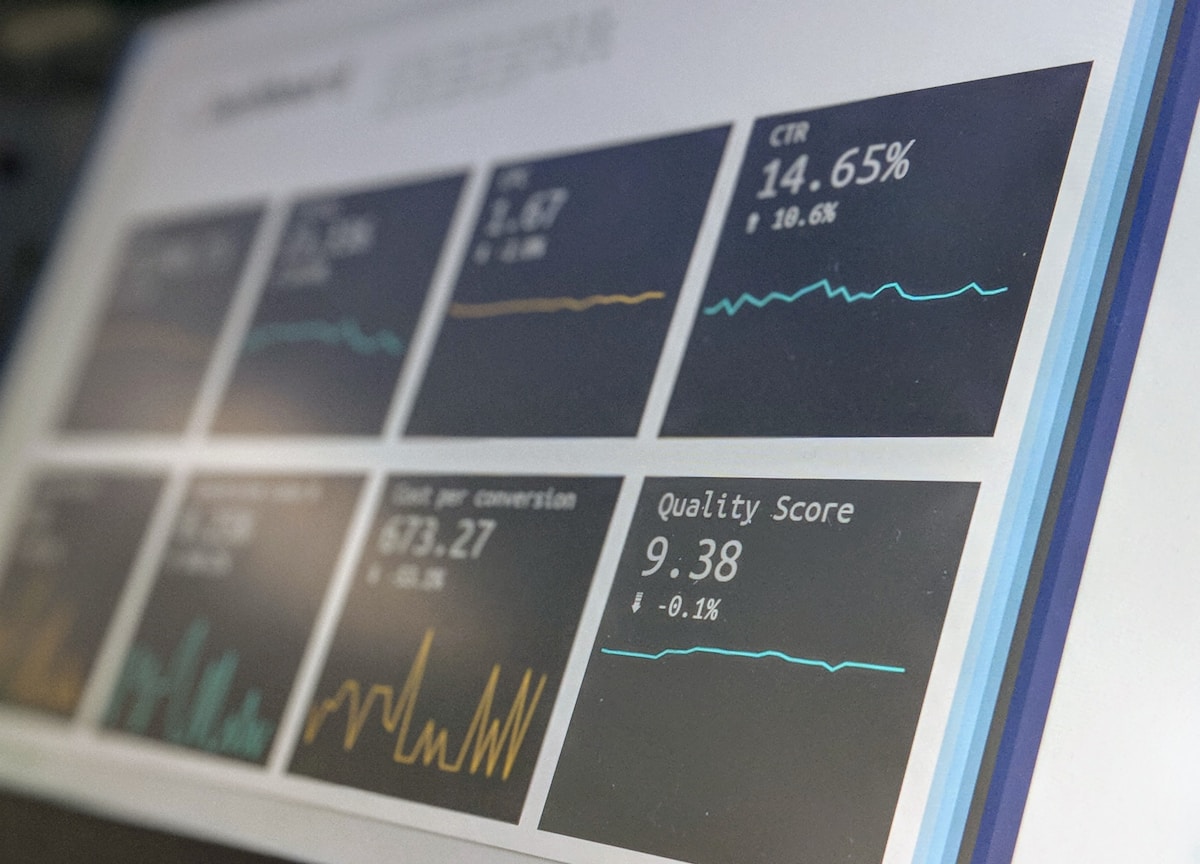
Despite its simplicity, EasyMiner supports advanced features like automatic pool switching and scheduled mining sessions. Users can configure mining schedules to capitalize on off-peak electricity rates, a critical consideration when operating power-hungry equipment like the Canaan Avalon Q with its 1,674W consumption.
Enterprise Management Platforms
| Platform | Maximum Capacity | Best For | Key Features | Pricing Model |
|---|---|---|---|---|
| Awesome Miner | 200,000 ASICs | Large-scale farms | 50+ mining engines, profit switching, remote management | Subscription-based, free trial |
| Hive OS | Unlimited devices | GPU & ASIC operations | Cloud-based, mobile app, overclocking tools | $3/rig/month after 1 free rig |
| Minerstat | 10,000+ workers | Professional operations | ASIC Hub, profit switching, control room dashboard | Tiered pricing starts free |
| Foreman | 100,000+ devices | Industrial mining | 24/7 monitoring, energy optimization, asset tracking | Enterprise licensing |
| NiceHash | Personal rigs | Beginners & hobby miners | Marketplace model, automatic algorithm switching | Revenue sharing (2% fee) |
Awesome Miner: Scaling Without Limits
Awesome Miner dominates large-scale operations with capacity supporting up to 200,000 ASIC miners. The platform’s centralized dashboard provides real-time visibility across entire mining farms, displaying aggregate hashrates, individual miner status, and pool performance metrics. Its profit-switching algorithm automatically redirects computing power to the most lucrative coins, maximizing revenue during market fluctuations.
The software’s diagnostic tools identify underperforming units before failures occur. Temperature alerts notify operators when miners exceed safe thermal thresholds, preventing hardware damage. For operators managing multiple Whatsminer M60S units, Awesome Miner’s batch configuration tools deploy identical settings across hundreds of devices simultaneously.
Hive OS: Cloud-Native Flexibility
Hive OS pioneered cloud-based mining management, eliminating dependency on local servers. Miners access their entire operation through web browsers or mobile applications, enabling management from anywhere. The platform’s overclocking profiles squeeze additional performance from hardware without manual voltage adjustments.

Hive OS excels at mixed hardware environments, supporting both GPU rigs and ASIC miners like the IceRiver KS3M. Its watchdog system automatically restarts frozen miners, maintaining uptime without human intervention. The platform’s flight sheets enable quick switching between mining configurations, useful when testing profitability across different algorithms.
Minerstat: Professional Analytics
Minerstat positions itself as the analytics-first platform, providing granular profitability calculations that factor in real-time electricity costs, pool fees, and hardware efficiency. The ASIC Hub feature specifically targets large ASIC deployments with advanced alert configurations and automated responses to performance anomalies.
The control room interface aggregates data from geographically distributed mining locations into unified dashboards. Operators can compare performance across facilities, identifying which locations offer optimal conditions. For miners operating Bitmain Antminer L9 Dogecoin miners, Minerstat’s Scrypt algorithm optimization ensures maximum Dogecoin earnings.
Monitoring Systems: Your Operation’s Nervous System
Effective monitoring transforms reactive troubleshooting into proactive optimization. Modern monitoring systems track dozens of metrics: hashrate consistency, rejected shares, hardware errors, temperature curves, fan RPMs, and network latency. Anomalies in any metric signal potential issues requiring investigation.
Real-Time Performance Tracking
Hashrate monitoring provides immediate feedback on mining efficiency. Sudden drops indicate hardware problems, network issues, or pool connectivity failures. Monitoring software graphs hashrate over time, revealing patterns that differentiate temporary fluctuations from systemic problems. Consistent monitoring prevents profit losses from undetected downtime.
Temperature monitoring protects hardware investments. ASIC miners generate significant heat; operating above manufacturer specifications accelerates degradation. Multi-sensor monitoring tracks hotspots within mining facilities, identifying cooling system inadequacies before equipment damage occurs. Setting temperature thresholds at 5-10°C below maximum ratings provides safety margins.
Network Connectivity Oversight
Mining profitability depends on maintaining stable connections to mining pools. Network monitoring tools track ping times, packet loss, and bandwidth utilization. Elevated latency increases stale share rates, reducing effective hashrate. Monitoring these metrics helps identify when ISP issues or network infrastructure problems impact operations.

Pool performance monitoring compares actual earnings against theoretical calculations. Persistent discrepancies suggest pool-side issues warranting investigation. Some pools experience temporary luck variations affecting short-term payouts, but monitoring long-term trends identifies consistently underperforming pools requiring switches.
Hardware Health Diagnostics
Advanced monitoring platforms track ASIC chip-level performance, identifying failing hashboards before complete unit failure. Early detection enables replacing faulty components during scheduled maintenance rather than emergency repairs. For expensive equipment like the GoldShell AE Max II, component-level monitoring protects significant investments.
Power consumption monitoring calculates real-time profitability by comparing electricity costs against mining revenue. This metric becomes critical when Bitcoin prices fluctuate. Monitoring helps operators decide when to continue operations versus temporarily powering down during unprofitable periods. Dynamic power management systems automatically adjust operations based on profitability thresholds.
Alert Systems: Preventing Downtime Before It Happens
| Alert Type | Trigger Condition | Recommended Action | Response Time | Priority Level |
|---|---|---|---|---|
| Hardware Failure | Miner offline >5 minutes | Physical inspection required | Immediate | Critical |
| High Temperature | >85°C sustained | Check cooling, reduce hashrate | <15 minutes | High |
| Hashrate Drop | >20% below baseline | Restart miner, check connectivity | <30 minutes | Medium |
| Pool Connection Loss | No shares submitted 10+ minutes | Switch to backup pool | Immediate | High |
| Low Profitability | Earnings below electricity cost | Consider pausing operations | <1 hour | Low |
Multi-Channel Alert Delivery
Modern alert systems utilize multiple communication channels ensuring operators receive notifications regardless of location. Email alerts provide detailed diagnostic information with timestamp logs. SMS notifications deliver urgent alerts to mobile devices, guaranteeing delivery even without internet access. Telegram and Discord integrations enable real-time alerts in messaging platforms miners frequently monitor.
Mobile application push notifications offer immediate visibility into critical issues. Configuring alert hierarchies prevents notification fatigue—critical alerts trigger all channels simultaneously while routine warnings use email only. Properly configured alert systems distinguish between temporary glitches and genuine problems requiring intervention.
Intelligent Alert Filtering
Sophisticated monitoring platforms implement machine learning algorithms that establish baseline performance metrics. Alerts trigger only when deviations exceed statistical thresholds, reducing false positives. This intelligence prevents alert desensitization, ensuring operators respond quickly to legitimate issues rather than ignoring constant notifications.

Customizable alert rules enable tailoring notifications to operational priorities. Large farms might set higher tolerance thresholds for individual miner issues while maintaining strict alerts for facility-wide problems. Small operators running a few Elphapex DG2+ units require immediate notification of any performance degradation.
Automated Response Systems
Advanced management platforms integrate automated response protocols that execute predefined actions upon specific alert conditions. When miners become unresponsive, automated systems attempt soft restarts before escalating to hard power cycles. If temperature alerts trigger, systems can automatically reduce overclocking settings or increase fan speeds to stabilize conditions.
Automated failover configurations switch to backup mining pools when primary pools become unreachable, maintaining operations without manual intervention. These systems minimize downtime from transient network issues, maximizing effective mining time and profitability.
Optimizing Your Software Configuration
Pool Selection and Backup Strategies
Selecting appropriate mining pools significantly impacts earnings consistency. Large pools like F2Pool and Antpool offer frequent, predictable payouts through their dominant hashrate share. Smaller pools provide variance—potentially higher individual rewards but longer intervals between payments. Monitoring software tracks pool performance, identifying which delivers optimal results for your operation.
Configuring backup pools prevents revenue loss during pool downtime or network issues. Primary pool outages shouldn’t interrupt mining operations; software automatically switches to secondary and tertiary pools when primary connections fail. Testing failover configurations during non-critical periods ensures seamless transitions during actual emergencies.
Overclocking and Efficiency Tuning
While maximum hashrate attracts attention, optimal profitability balances performance against power consumption. Monitoring software enables systematic testing of different clock speeds and voltage settings. Incrementally adjusting parameters while tracking power consumption and hashrate identifies sweet spots where efficiency peaks.
Environmental conditions affect optimal settings. Summer operations in hot climates may require conservative configurations preventing overheating, while winter operations in cool environments tolerate more aggressive tuning. Dynamic monitoring adjusts settings seasonally, maintaining stable operations year-round.
Security Considerations
Mining software requires network connectivity, creating potential security vulnerabilities. Implementing proper firewall rules restricts management interface access to trusted IP addresses. Strong authentication credentials prevent unauthorized access to mining configurations. Regular software updates patch security vulnerabilities as developers identify them.
Network segmentation isolates mining operations from other business networks, containing potential breaches. Monitoring network traffic patterns detects unusual activity suggesting security compromises. For cloud-based management platforms, enabling two-factor authentication adds critical security layers protecting valuable mining assets.
FAQ: Essential Mining Software Questions
What’s the best mining software for beginners in 2025?
EasyMiner offers the gentlest learning curve with its graphical interface and automatic configuration features. It simplifies complex processes without sacrificing essential functionality. As experience grows, transitioning to CGMiner or BFGMiner provides additional control for optimization.
How much do professional mining management platforms cost?
Pricing varies by scale. Hive OS charges $3 monthly per rig after one free unit. Awesome Miner offers tiered subscriptions starting around $40 monthly for up to 200 devices. Minerstat provides free tiers for small operations, with professional plans beginning at $19 monthly. Enterprise solutions like Foreman require custom quotes based on deployment size.
Can I monitor my mining operation remotely?
Yes, cloud-based platforms like Hive OS, Minerstat, and Awesome Miner provide remote access through web browsers and mobile applications. These platforms enable monitoring and management from anywhere with internet connectivity, essential for operators managing distributed mining locations.
What alerts should I configure for a small mining operation?
Prioritize critical alerts: miner offline notifications, high temperature warnings (>80°C), hashrate drops exceeding 15%, and pool connection failures. Configure alert thresholds slightly conservative initially, adjusting based on operational experience to balance responsiveness with avoiding false alarms.
How often should I update my mining software?
Major mining software receives updates quarterly addressing bugs, security vulnerabilities, and performance improvements. Monitor official channels for release announcements. Test updates on single miners before deploying across entire operations to ensure compatibility and stability. Critical security patches warrant immediate implementation.
Does monitoring software impact mining performance?
Well-designed monitoring software consumes minimal system resources—typically less than 1% of processing power. Running monitoring on dedicated management computers rather than mining hardware itself eliminates any potential impact. Cloud-based solutions eliminate local resource consumption entirely.
What’s the difference between ASIC Hub and traditional mining software?
ASIC Hub specifically targets ASIC hardware management at scale, offering features like bulk firmware updates, coordinated hashboard management, and ASIC-specific diagnostics. Traditional software like CGMiner controls individual miners. ASIC Hub functions as an orchestration layer managing fleets of ASICs through centralized interfaces.
Can I use the same software for Bitcoin and altcoin mining?
Most management platforms support multiple algorithms and cryptocurrencies. Software like Awesome Miner and Hive OS handles Bitcoin (SHA-256), Litecoin/Dogecoin (Scrypt), and various altcoin algorithms. However, mining engines may differ—CGMiner excels at SHA-256 while dedicated Scrypt miners require alternative software.
Getting Started: Your Action Plan
Building an effective software stack begins with assessing operational scale. Solo miners running one or two ASICs find EasyMiner or NiceHash sufficient for basic management. Mid-size operations with 10-50 miners benefit from Hive OS or Minerstat’s balanced feature sets and reasonable pricing.
Large-scale farms exceeding 100 miners require enterprise solutions like Awesome Miner or Foreman, justifying higher costs through operational efficiencies and comprehensive monitoring capabilities. These platforms pay for themselves through increased uptime and optimized performance.
Start with free tiers or trial periods, experimenting with different platforms before committing. Each software offers unique strengths; finding the right fit depends on specific operational requirements, technical expertise, and growth plans. Investing time in proper software setup creates foundations for profitable, stable mining operations as market conditions fluctuate throughout 2025 and beyond.
For hardware procurement supporting your software infrastructure, Miners1688 offers competitive pricing on the latest ASIC models from Bitmain, Whatsminer, IceRiver, and other leading manufacturers, backed by professional technical support and global logistics solutions.