
Summary: Bitcoin dropped to a six-month low in November 2025 as risk-off sentiment gripped markets and Federal Reserve rate cut expectations faded. With hashprice hitting record lows and mining profitability squeezed, miners must adapt strategies to navigate this volatile landscape while optimizing hardware investments.
Understanding the Current Market Dynamics
The cryptocurrency mining landscape has entered a challenging phase in late 2025. Bitcoin’s slide to $95,885.33 on November 14 – its lowest level since May – reflects broader market anxieties tied to shifting Federal Reserve policies and diminishing risk appetite among investors. This six-month low represents more than just a price correction; it signals a fundamental shift in how crypto assets respond to macroeconomic pressures.
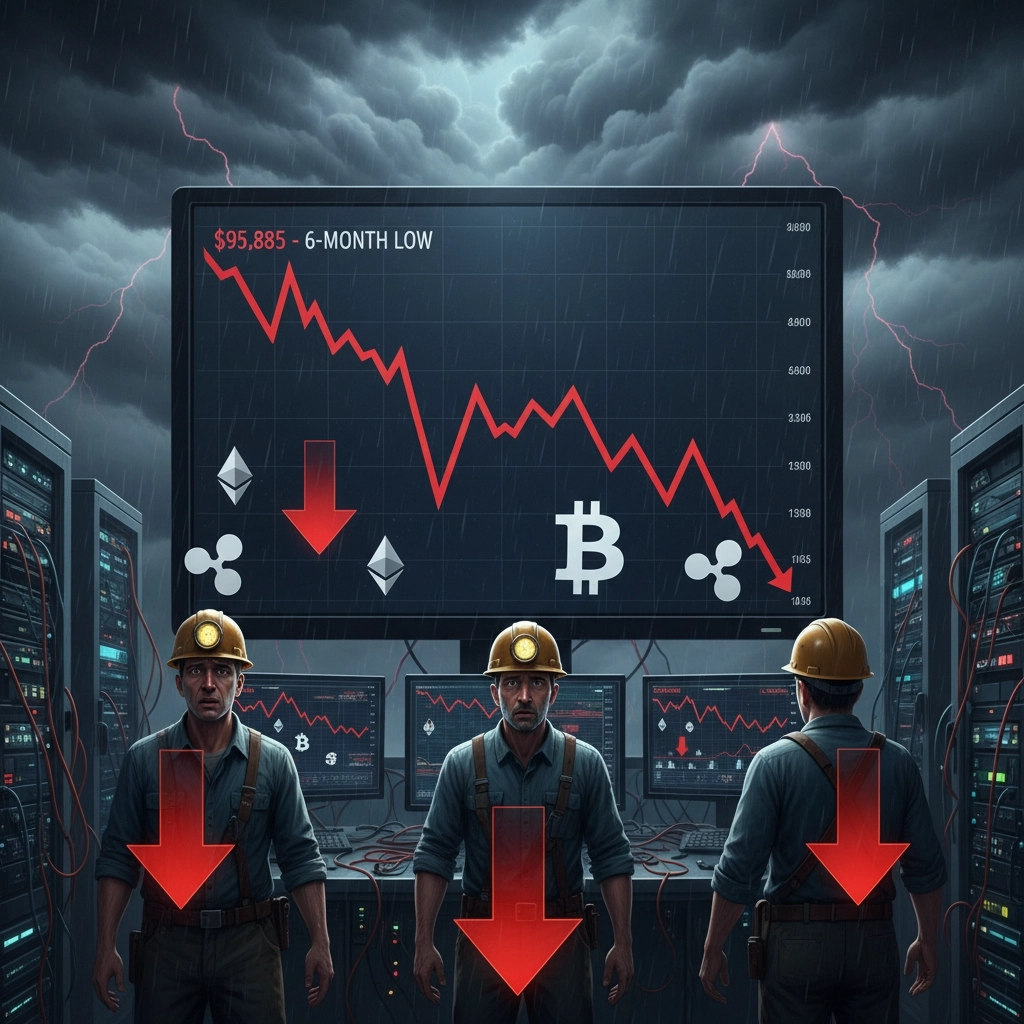
The correlation between Bitcoin and traditional risk assets has become increasingly evident. As Reuters reports, the cryptocurrency market capitalization has declined by over $1 trillion since peaking on October 7, representing a 24% drop. This risk-off environment creates unique challenges for mining operations that must balance hardware investments against uncertain revenue streams.
The Federal Reserve’s Influence on Mining Economics
Interest rate expectations dramatically impact cryptocurrency valuations. The probability of a December Federal Reserve rate cut plummeted from 90% earlier in November to approximately 40% by mid-month. Federal Reserve policymakers, including Kansas City Fed President Jeffrey Schmid, expressed concerns about persistent inflation beyond tariff effects.
For miners, higher interest rates translate to:
- Increased capital costs for equipment financing
- Reduced investor appetite for speculative assets like Bitcoin
- Tighter operational margins as BTC price pressure intensifies
- Strategic recalibration of expansion plans and hardware purchases
Mining Profitability Under Pressure: The Hashprice Crisis
Record-Low Hashprice Challenges Operations
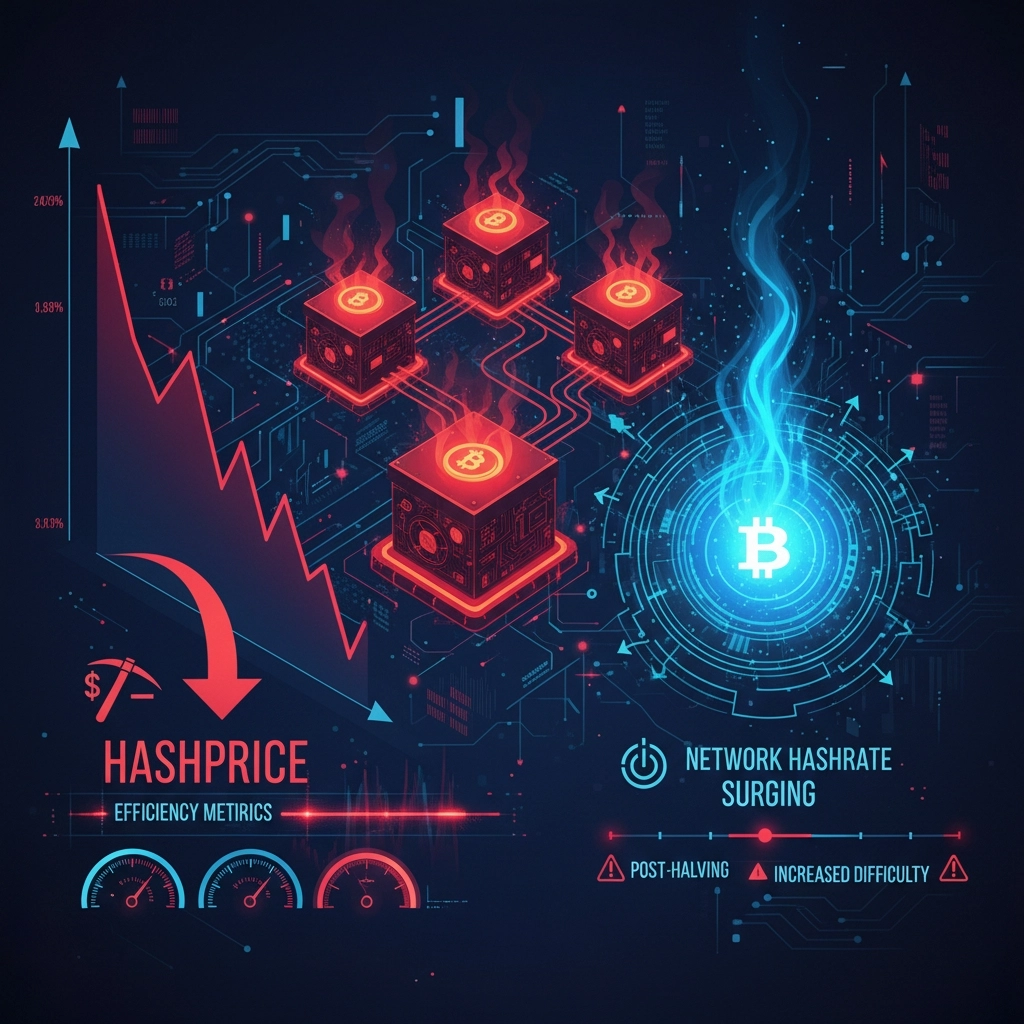
Bitcoin hashprice – the expected daily mining revenue per terahash of computing power – has fallen to historic lows. Recent data shows hashprice dropped to $34.21 on November 21, 2025, marking the lowest payout miners have experienced in over five years. This metric directly impacts the profitability calculations for every ASIC miner in operation worldwide.
The convergence of several factors drives this profitability squeeze:
- Network hashrate near all-time highs at approximately 1.1 zettahash per second
- Mining difficulty at 152.27T following a modest 2.37% decrease on November 12
- Bitcoin price correction from October highs above $108,000
- Transaction fee compression reducing supplementary mining income
Analyzing Current Mining Economics
Long-term Bitcoin holders have accelerated profit-taking, with 815,000 BTC sold over the past 30 days according to CryptoQuant – the highest redemption rate since January 2024. Exchange-traded fund outflows reached $870 million on November 14 alone, indicating institutional investors are also retreating from crypto exposure.
Hardware Efficiency: The Critical Differentiator in Volatile Markets
| Top ASIC Miners for 2025 | Hashrate | Power Consumption | Efficiency (J/TH) | Monthly Profitability* |
|---|---|---|---|---|
| Bitmain Antminer S21 XP | 270 TH/s | 3645W | 13.5 | $341.99 |
| Bitmain Antminer S21 Pro | 234 TH/s | 3276W | 14.0 | $295.80 |
| Bitmain Antminer S21+ | 216 TH/s | 3360W | 15.6 | $273.12 |
| WhatsMiner M60S | 186 TH/s | 3254W | 17.5 | $234.90 |
*Based on November 2025 hashprice estimates at $0.10/kWh electricity costs
Why Efficiency Matters More Than Ever
When hashprice collapses to multi-year lows, the difference between profitable and unprofitable mining often comes down to equipment efficiency measured in joules per terahash (J/TH). Older generation miners consuming above 20 J/TH face severe profitability challenges in the current environment.
The Antminer S21 XP exemplifies modern efficiency standards at 13.5 J/TH, enabling operations to maintain positive margins even when less efficient competitors must shut down. This efficiency advantage becomes crucial during extended periods of market volatility.
Strategic Hardware Investment Considerations
Mining operators should evaluate several factors when considering equipment purchases:
- Electricity costs: The single largest operational expense determining profitability thresholds
- Efficiency metrics: J/TH ratings that determine competitiveness across market cycles
- Initial capital outlay: Balancing performance capabilities against upfront investment
- Manufacturer reliability: Established suppliers providing warranty support and technical assistance
Alternative Mining Opportunities Beyond Bitcoin
Diversification Through Multi-Algorithm Mining
While Bitcoin mining faces profitability headwinds, alternative cryptocurrencies present opportunities for miners with diversified hardware portfolios. Litecoin and Dogecoin mining through Scrypt algorithm ASICs has maintained relatively stable returns throughout 2025’s market fluctuations.

The Bitmain Antminer L9 delivers 16 GH/s for Litecoin/Dogecoin mining at 3360W power consumption, providing hedge opportunities when Bitcoin profitability contracts. Diversified mining strategies help operations weather volatility in any single cryptocurrency’s economics.
Emerging Mining Algorithms
Several newer algorithms offer interesting opportunities:
- Kaspa (KAS): Growing network with competitive mining returns
- Zcash (ZEC): Privacy-focused coin with established mining ecosystem
- Ethereum Classic (ETC): Continued GPU mining opportunities post-Ethereum merge
- Alephium (ALPH): Innovative sharding approach creating mining efficiency
Operational Strategies for Surviving Market Downturns
| Strategy | Implementation | Expected Impact | Risk Level |
|---|---|---|---|
| Efficiency Upgrades | Replace older miners with S21 series | 20-30% cost reduction | Low |
| Electricity Optimization | Negotiate bulk rates, relocate operations | 15-25% cost reduction | Medium |
| Strategic Hodling | Mine and hold during low prices | Variable upside potential | High |
| Altcoin Diversification | Deploy L9 and other algorithm miners | 10-20% revenue stabilization | Medium |
| Operational Scaling | Temporary capacity reduction | 10-15% cost reduction | Low |
Managing Fixed Costs During Volatility
Mining operations face significant fixed costs regardless of market conditions. Strategic approaches to cost management include:
Power Purchase Agreements: Locking in favorable electricity rates through long-term contracts protects against energy price volatility while securing operational predictability.
Equipment Financing: Leveraging manufacturer financing programs or leasing arrangements reduces upfront capital requirements, though higher interest rates in 2025 demand careful calculation of total ownership costs.
Facility Optimization: Proper cooling infrastructure and maintenance scheduling maximize uptime and equipment lifespan, improving overall economics even when mining margins compress.
The Role of Mining Pools
Solo mining has become increasingly impractical for most operations given Bitcoin’s current network difficulty. Mining pools distribute rewards more consistently, helping operations manage cash flow during volatile periods. Major pools like Foundry USA, AntPool, and F2Pool provide reliable infrastructure and regular payouts that smooth revenue variance.
Technical Analysis: Network Difficulty and Hashrate Trends
Understanding Difficulty Adjustments
Bitcoin’s difficulty adjustment mechanism recalibrates approximately every 2,016 blocks (roughly two weeks) to maintain the 10-minute block time target. The November 12 adjustment decreased difficulty by 2.37% to 152.27T, providing modest relief to miners. However, the next adjustment estimated for November 27 projects a further decrease of approximately 2%, suggesting some marginal miners are shutting down equipment.
Hashrate Distribution Insights
Network hashrate peaked near 1,161 EH/s in October 2025 before moderating slightly. This near-record hashrate reflects continued investment in modern, efficient mining equipment despite price volatility. The slight pullback in late November suggests marginal operations using older, less efficient hardware are beginning to power down.
Geographic hashrate distribution continues favoring regions with:
- Stable, low-cost electricity (under $0.08/kWh)
- Favorable regulatory environments supporting crypto mining
- Cool climates reducing cooling costs
- Reliable infrastructure minimizing downtime risks
Investment Timing: Opportunity in Market Dislocation
Historical Precedents for Miner Accumulation
Experienced mining operators recognize that equipment purchases during market downturns often generate superior long-term returns. Several historical patterns support this contrarian approach:
During the 2018-2019 crypto winter, miners who upgraded to then-modern equipment (like the Antminer S17) at depressed prices achieved exceptional returns during 2020-2021’s subsequent rally. Similarly, operations that invested in efficiency upgrades during 2022’s market correction positioned themselves advantageously for 2023’s recovery.
Evaluating Current Market Conditions
November 2025’s conditions present potential opportunities:
- Equipment prices stabilizing as manufacturers adjust to reduced demand
- Used hardware markets offering deeply discounted older-generation miners
- Hosting facilities competing aggressively for tenant miners with favorable terms
- Financing options available for creditworthy operations despite higher rates
However, prudent operators should maintain conservative assumptions about Bitcoin price recovery timeframes and avoid over-leveraging based on optimistic scenarios.
The Case for Quality Hardware Suppliers
During uncertain market conditions, partnering with established, reputable suppliers becomes even more critical. Quality suppliers provide:
- Authentic equipment directly from manufacturers like Bitmain, WhatsMiner, and Canaan
- Warranty support and technical assistance when issues arise
- Transparent pricing reflecting true market conditions
- Reliable shipping through established logistics networks
- After-sales service including remote technical guidance

Regulatory Landscape and Mining’s Future
Global Mining Regulations in 2025
Regulatory clarity has improved in many jurisdictions throughout 2025, though significant variations persist globally. North American operations benefit from increasingly defined frameworks, while European regulations continue evolving. Miners should monitor:
Energy Regulations: Growing focus on sustainable energy usage and carbon footprint reporting requirements in several jurisdictions. Operations demonstrating renewable energy utilization face fewer regulatory headwinds.
Tax Treatment: Clarification of mining income taxation, equipment depreciation schedules, and crypto-to-crypto transaction reporting. Professional tax guidance tailored to mining operations has become essential.
Environmental Compliance: Some regions implementing specific requirements for mining operations, including cooling water usage, noise abatement, and grid impact assessments.
Infrastructure Development Trends
Mining infrastructure continues maturing:
- Purpose-built facilities with optimized power delivery and cooling systems
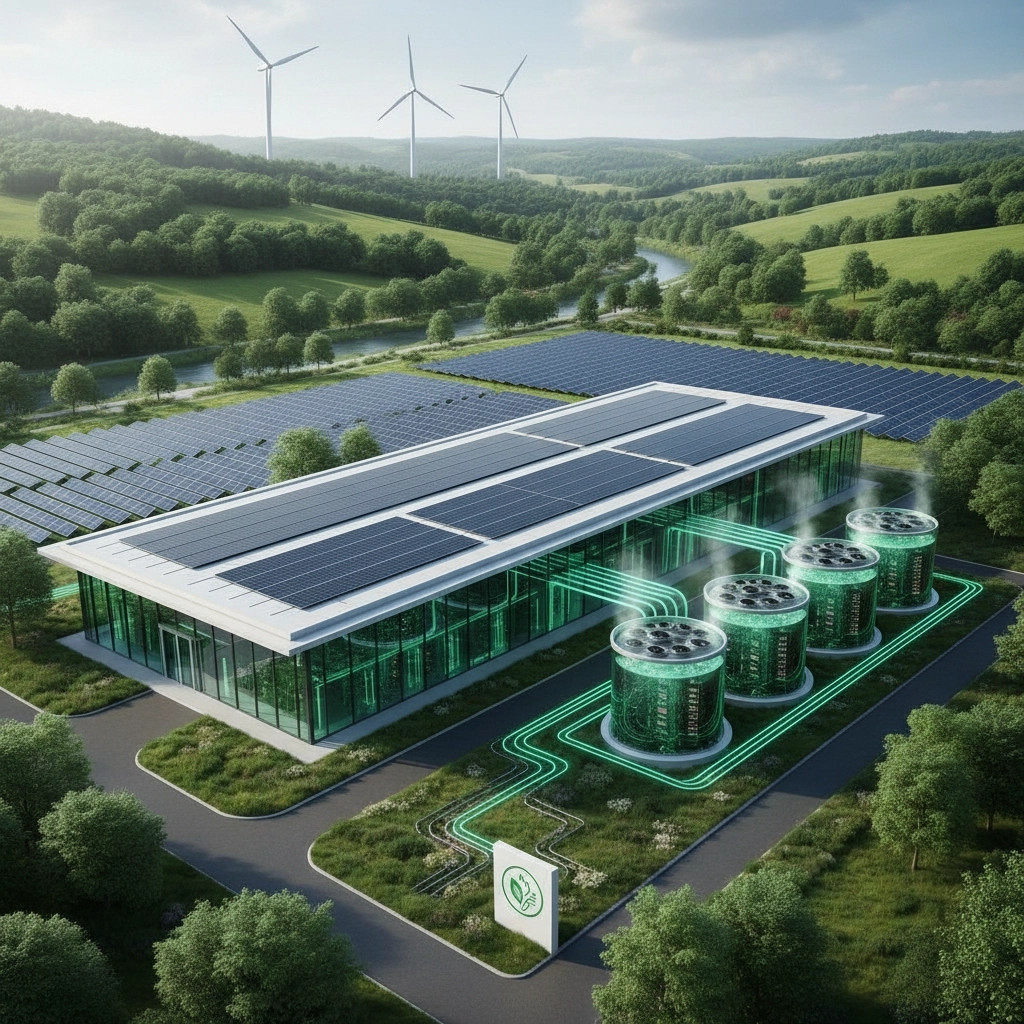
- Renewable energy integration through solar, wind, and hydroelectric sources
- Immersion cooling technology enabling higher density deployments
- Automated management systems reducing labor requirements and improving uptime

FAQ: Navigating Bitcoin Mining’s Current Challenges
Q: Should I invest in new mining equipment during this market downturn?
A: Equipment investment during downturns can offer advantages if you have access to low-cost electricity (under $0.08/kWh) and sufficient capital reserves to weather extended low-profitability periods. Focus on high-efficiency models like the Antminer S21 series that will remain competitive across various price scenarios. Avoid over-leveraging based on optimistic recovery assumptions.
Q: What hashrate is necessary for profitable home mining in late 2025?
A: Home mining profitability depends heavily on local electricity costs. With current hashprice around $34-38 per PH/s, operations need electricity below $0.10/kWh to generate meaningful returns. Miners with rates above $0.12/kWh face significant profitability challenges with current equipment. Small-scale operations should carefully calculate break-even points including equipment costs, electricity, cooling, and maintenance.
Q: How long will the current low-profitability environment persist?
A: Market timing is inherently uncertain. Historical precedents suggest compressed profitability periods lasting 6-18 months before recovery. Recovery timing depends on multiple factors: Bitcoin price stabilization, Federal Reserve policy direction, network difficulty adjustments, and broader macroeconomic conditions. Prudent operators should plan for extended volatility rather than expecting rapid recovery.
Q: Are alternative cryptocurrencies better mining targets than Bitcoin currently?
A: Bitcoin remains the most liquid and established mining target despite current profitability challenges. However, diversification through coins like Litecoin, Dogecoin, or Kaspa can provide revenue stability. Consider allocating 20-30% of hashrate to alternative algorithms using equipment like the Antminer L9 while maintaining Bitcoin as your primary focus.
Q: What efficiency metrics should I prioritize when selecting mining hardware?
A: Prioritize J/TH (joules per terahash) as the critical efficiency metric. Modern competitive miners should operate below 15 J/TH, with premium equipment like the Antminer S21 XP achieving 13.5 J/TH. Each J/TH improvement translates directly to reduced electricity costs and improved profitability margins across all price environments.
Q: How can smaller mining operations compete against large industrial miners?
A: Smaller operations can compete through: (1) Securing below-market electricity rates through creative sourcing or renewable generation, (2) Operating latest-generation equipment for efficiency parity, (3) Maintaining lower overhead costs and operational agility, (4) Focusing on uptime optimization and preventive maintenance, (5) Strategic geographic positioning in favorable regulatory and climate zones.
Q: Should mining operations hold or immediately sell mined Bitcoin?
A: This decision depends on your operational cash flow needs and risk tolerance. Operations with sufficient capital reserves may benefit from strategic hodling during price suppression, potentially realizing higher values during future recovery. However, operations with tight cash flow or debt service requirements should sell regularly to ensure operational continuity. Consider a hybrid approach: selling sufficient Bitcoin to cover fixed costs while hodling excess production.
Conclusion: Adapting to a New Mining Reality
The intersection of Bitcoin’s six-month price low and shifting Federal Reserve rate expectations creates a challenging environment for cryptocurrency miners in late 2025. Hashprice at five-year lows, network difficulty near record highs, and risk-off sentiment across financial markets combine to pressure mining profitability significantly.
Yet experienced operators understand that market cycles create opportunities alongside challenges. Miners who strategically invest in high-efficiency equipment like the Antminer S21 series, secure favorable electricity arrangements, and maintain conservative capital management position themselves to thrive when conditions improve.
The current environment favors operations that:
- Prioritize efficiency through modern equipment deployment
- Diversify revenue streams across multiple mineable cryptocurrencies
- Maintain financial discipline avoiding over-leverage during uncertainty
- Partner with reliable suppliers like Miners1688 for quality equipment and support
- Focus on operational excellence maximizing uptime and minimizing costs
Market volatility is inherent to cryptocurrency mining. The operators who navigate 2025’s challenges successfully will emerge stronger, more efficient, and better positioned for the industry’s next growth phase.
Related Resources: