
Summary: October’s historic $5.95 billion crypto ETF inflows drove Bitcoin to new highs above $126,000, yet recent weeks brought significant profit-taking and rotation. As Bitcoin retraces below $95,000, this analysis examines whether current pullbacks represent healthy market cooling or deeper concerns for miners and investors navigating changing conditions.
Understanding October’s Historic ETF Surge
The cryptocurrency market witnessed an unprecedented event in October when global crypto ETFs attracted record-breaking $5.95 billion in net inflows during the week ending October 4, 2025. According to CoinShares data, this influx pushed Bitcoin beyond its previous peaks, establishing a new all-time high that eventually reached $126,223.
Breaking Down the Capital Distribution
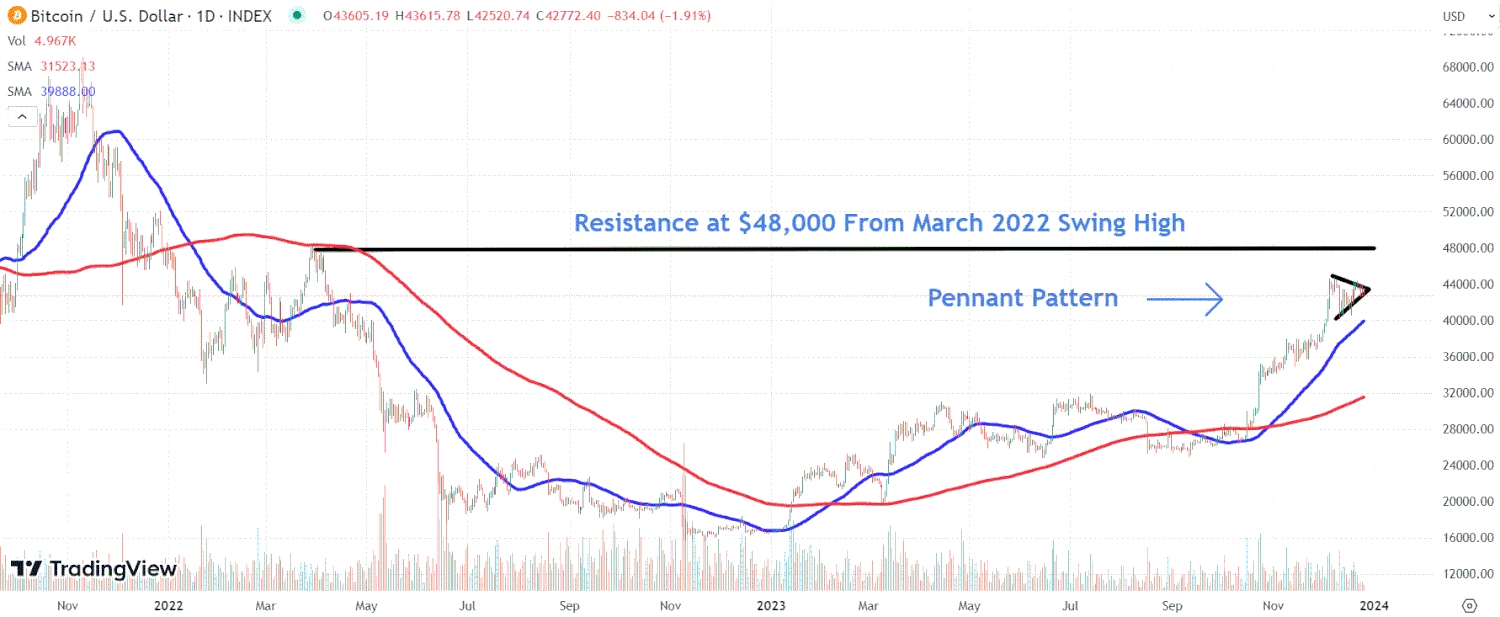
The United States dominated this surge, capturing $5 billion of total inflows—representing over 84% of global investment. Switzerland followed with $563 million and Germany with $312 million, both establishing new country-specific records. Bitcoin alone drew $3.55 billion, while Ethereum captured $1.48 billion. Alternative coins Solana and XRP attracted $706.5 million and $219.4 million respectively.
Institutional Recognition Grows
James Butterfill, Head of Research at CoinShares, emphasized that this investment wave reflects growing institutional recognition of digital assets as viable alternatives during economic uncertainty. Deutsche Bank’s projection that Bitcoin will feature on most central banks’ balance sheets alongside gold by 2030 underscores this fundamental shift in cryptocurrency’s financial positioning.
The Natural Correction: Profit-Taking Dynamics
Following October’s remarkable rally, November introduced significant market corrections. Bitcoin experienced sharp retracements, falling below $95,000 and at one point touching $93,029—representing a 25% decline from October’s peak. On November 13 alone, Bitcoin spot ETFs registered $866.7 million in net outflows, marking the second-largest single-day redemption since these funds launched.
Understanding Market Psychology
This profit-taking behavior represents rational investor response to substantial gains. When Bitcoin surged 38% during November’s first three weeks, early investors and institutional players naturally moved to secure returns. This pattern appears throughout cryptocurrency market history—rapid appreciation followed by consolidation as participants rebalance portfolios.
Rotation Into Traditional Assets
Recent outflows reflect strategic capital rotation rather than abandonment of crypto exposure. As Bitcoin reached psychological resistance near $100,000, investors diversified into bonds and equities while maintaining core cryptocurrency positions. This rotation demonstrates maturation in how institutional participants approach digital asset allocation within broader portfolios.

Mining Profitability in Current Market Conditions
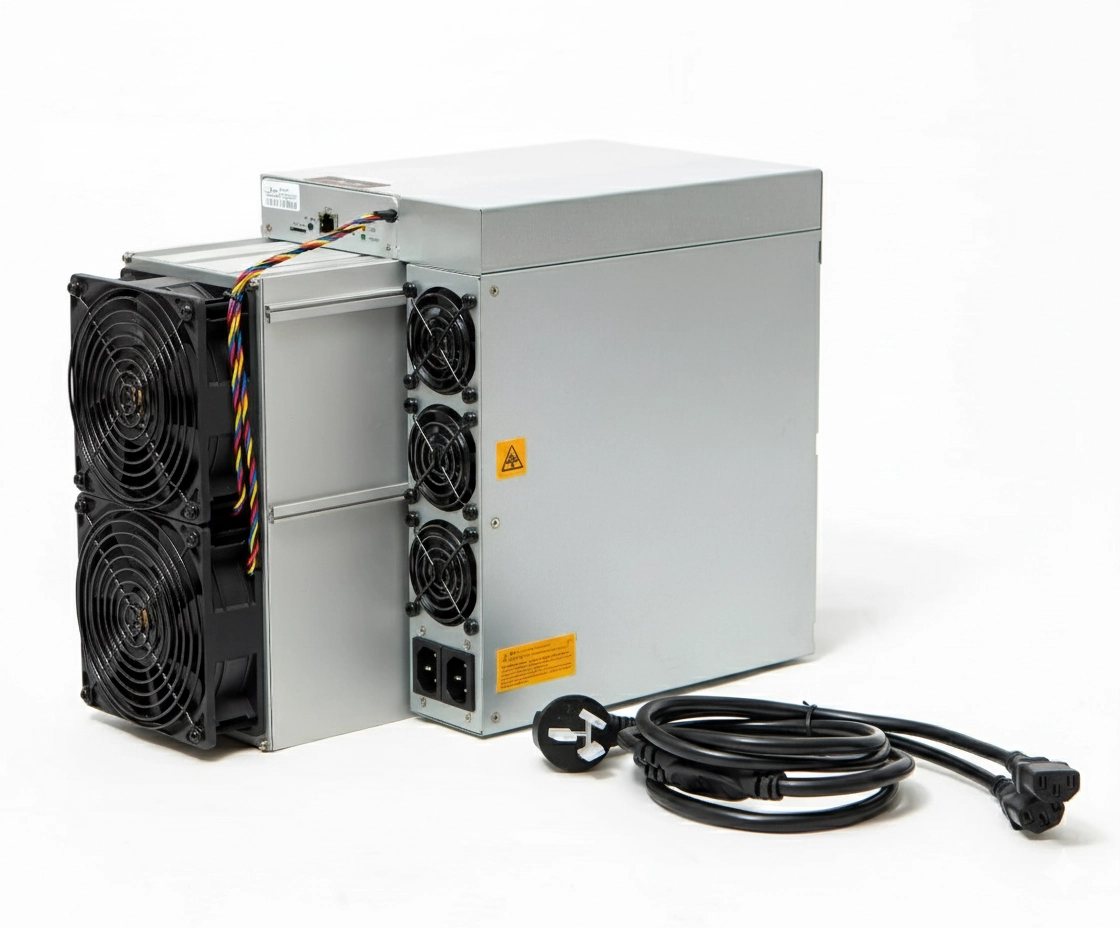
Table 1: Top Performing Bitcoin Miners (November 2025)
| Miner Model | Hashrate | Power Consumption | Energy Efficiency | Est. Daily Profit* |
|---|---|---|---|---|
| Bitmain Antminer S21 XP | 270 TH/s | 3,645W | 13.5 J/TH | $11.26 |
| MicroBT WhatsMiner M66S++ | 356 TH/s | 5,518W | 15.5 J/TH | $10.87 |
| Bitmain Antminer S21E XP HYD | 430 TH/s | 5,590W | 13.0 J/TH | $4.04 |
| Bitmain Antminer S21 Pro | 234 TH/s | 3,531W | 15.1 J/TH | $9.60 |
*Based on $0.10/kWh electricity cost and current network difficulty
Energy Efficiency Remains Critical
Current market volatility reinforces energy efficiency’s importance for mining operations. The Bitmain Antminer S21 series maintains profitability even during price retracements due to superior J/TH ratios. Miners consuming above 20 J/TH face challenging economics at current Bitcoin prices below $95,000.
Strategic Hardware Selection
Mining operators should prioritize efficiency over raw hashrate in uncertain markets. The S21 XP’s 13.5 J/TH efficiency provides cushion against price volatility, while older models like S19 series (approaching 35 J/TH) struggle to maintain profitability at electricity costs above $0.08/kWh.
Alternative Coin Mining Opportunities
While Bitcoin mining faces margin pressure, alternative coin mining presents interesting opportunities during market rotations. Litecoin and Dogecoin mining using Scrypt algorithm hardware maintains attractive returns.
Scrypt Mining Performance
The Bitmain Antminer L9 delivers 17.6 GH/s at 3,570W, generating approximately $4.23 daily profit—remarkably stable compared to Bitcoin mining’s recent volatility. Dogecoin’s sustained community support and utility adoption provide underlying value supporting mining economics.
Diversification Strategies
Mining operations diversifying across Bitcoin, Litecoin, and emerging coins like Kaspa demonstrate better resilience during Bitcoin-specific corrections. This approach mirrors institutional portfolio rotation strategies, distributing risk across correlated but distinct cryptocurrency assets.
Market Indicators: Cooling or Correction?
Table 2: Key Crypto Market Metrics (November 2025)
| Metric | Current Value | Change from Peak | Market Implication |
|---|---|---|---|
| Bitcoin Price | $92,715 | -26% | Healthy correction range |
| BTC Dominance | 58.2% | +2.1% | Capital flowing to BTC |
| Weekly ETF Flows | -$2.0B | From +$5.95B | Strong profit-taking |
| Network Hashrate | 755 EH/s | -4% | Marginal miner capitulation |
| Mining Revenue/Day | $25.3M | -18% | Compressed margins |
Technical Analysis Perspective
Bitcoin’s retracement to $92,000-$95,000 zone represents approximately 25% correction from October peaks—within historical norms for cryptocurrency bull market pullbacks. Previous cycles demonstrated 30-40% corrections during sustained uptrends without negating overall bullish structure.
On-Chain Metrics Signal Cooling
Glassnode data reveals long-term holders realizing profits at recent highs, typical behavior after significant appreciation. Realized profit volumes reaching $1.8 billion indicate healthy profit-taking rather than panic selling. Exchange inflows remain moderate compared to bear market capitulation events.
Strategic Guidance for Mining Operations
Current market conditions require strategic thinking from mining operators. Understanding whether this represents temporary cooling versus sustained correction influences equipment investment and operational decisions.
Equipment Acquisition Timing
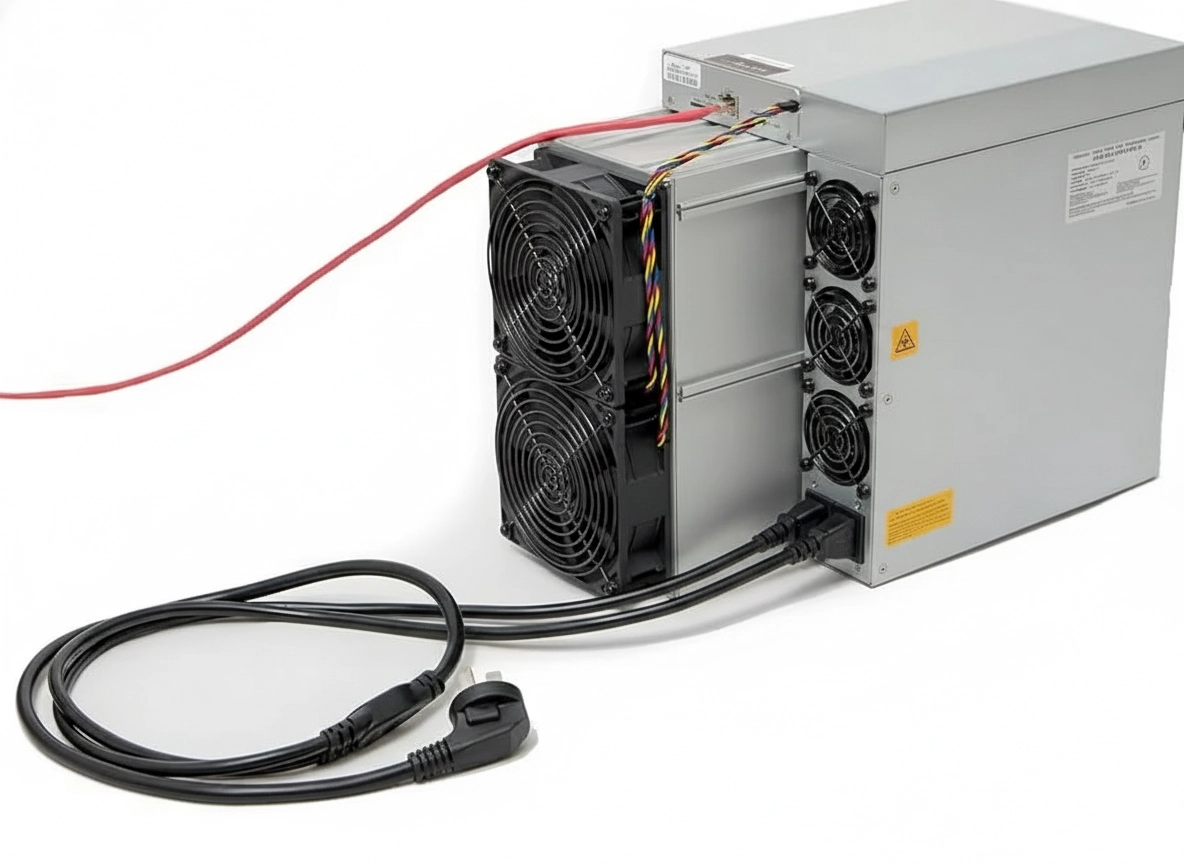
Historically, mining hardware prices correlate with Bitcoin price movements with 4-8 week lag. Current corrections may present opportunities to acquire premium equipment like Antminer S21+ series at improved pricing before potential Q1 2026 rallies.
Operational Cost Management
Mining facilities should evaluate electricity contracts and cooling infrastructure efficiency during this period. Operations with power costs exceeding $0.12/kWh face challenges maintaining profitability unless Bitcoin recovers above $100,000 or they upgrade to latest-generation hardware.
Portfolio Mining Approach
Consider allocating hashpower across multiple profitable coins. While Bitcoin mining anchors operations, supplementing with Litecoin mining via L9 hardware or exploring emerging opportunities like Kaspa provides revenue diversification smoothing Bitcoin price volatility.
Looking Forward: Market Trajectory Assessment
Multiple factors suggest current pullbacks represent healthy cooling rather than trend reversal. Understanding these elements helps miners and investors make informed decisions about positioning.
Supportive Fundamental Factors
Institutional adoption continues expanding despite short-term price action. Spot ETF infrastructure remains in place, providing retail and institutional access channels that didn’t exist in previous cycles. Central bank exploration of Bitcoin as reserve asset represents fundamental shift in cryptocurrency’s role within global financial architecture.
Technical Resistance Levels
Bitcoin establishing support between $90,000-$95,000 after briefly reaching $126,000 demonstrates consolidation around psychologically significant levels. This base-building typically precedes resumed upward movements as market participants accumulate during corrections.
Mining Difficulty Adjustment Dynamics
Recent 4% hashrate decline indicates marginal miners with inefficient equipment powering down—healthy market function that adjusts difficulty and improves profitability for efficient operations. This natural selection process strengthens network security by favoring well-capitalized, efficient mining operations.
Frequently Asked Questions
Q: Is Bitcoin mining still profitable after recent price corrections?
A: Yes, mining remains profitable for operations using efficient hardware (below 16 J/TH) with electricity costs under $0.10/kWh. The Antminer S21 series generates $8-11 daily profit at current Bitcoin prices around $93,000. Older equipment faces margin pressure requiring sub-$0.08/kWh power costs.
Q: Should I wait for lower Bitcoin prices before purchasing mining equipment?
A: Equipment acquisition timing depends on individual circumstances. Current corrections may enable better hardware pricing, but profitability ultimately depends on long-term Bitcoin trajectory rather than short-term price movements. Focus on energy-efficient models that remain profitable across price ranges.
Q: What caused the massive ETF outflows after October’s record inflows?
A: November’s outflows primarily reflect profit-taking after Bitcoin’s 38% monthly gain and strategic capital rotation into bonds and equities. This represents normal market behavior rather than abandonment—investors securing gains after substantial appreciation while maintaining core crypto exposure.
Q: How do I evaluate whether to mine Bitcoin or alternative coins?
A: Compare daily profitability accounting for equipment cost, electricity rates, and network difficulty. Currently, Litecoin mining with L9 hardware offers more stable daily returns ($4.23) versus Bitcoin mining’s volatility. Diversifying across both provides balanced risk-return profile.
Q: What Bitcoin price level makes current-generation miners unprofitable?
A: The Antminer S21 series remains profitable down to approximately $60,000 Bitcoin price at $0.10/kWh electricity. Below this threshold, only operations with exceptionally cheap power (under $0.06/kWh) maintain positive margins. Less efficient hardware faces break-even points around $75,000-$80,000.
Q: Is this pullback similar to previous bear markets?
A: No. Current 25% correction occurs within context of record institutional adoption, established ETF infrastructure, and sustained network fundamentals. Previous bear markets featured 70-80% declines with collapsing institutional interest. This represents healthy consolidation within ongoing positive trend rather than trend reversal.
Related Resources: